
18 Inch Wheels
In this category, you will find over 540 models from renowned brands such as Japan Racing, Concaver, Barracuda, Aversus
- including expert buying advice for selecting the right wheels.
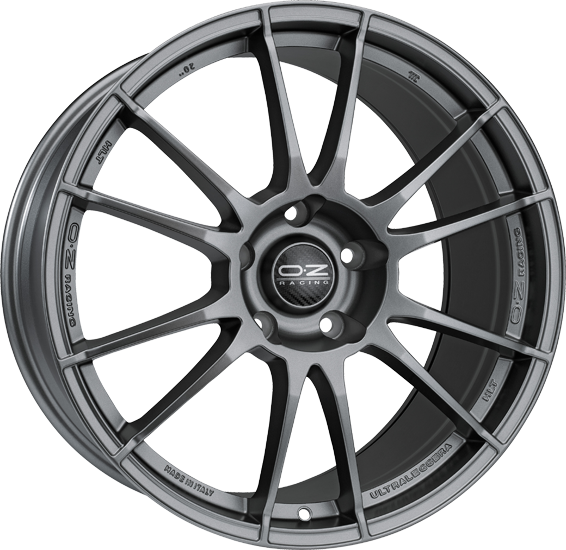

 With Swiss certification & fitting kit
Available immediately, Delivery time: 5-10 days
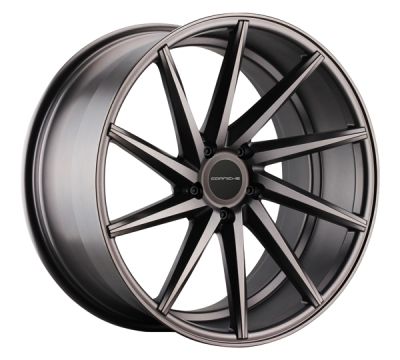
 With Swiss certification & fitting kit
Available immediately, Delivery time: 1-2 days
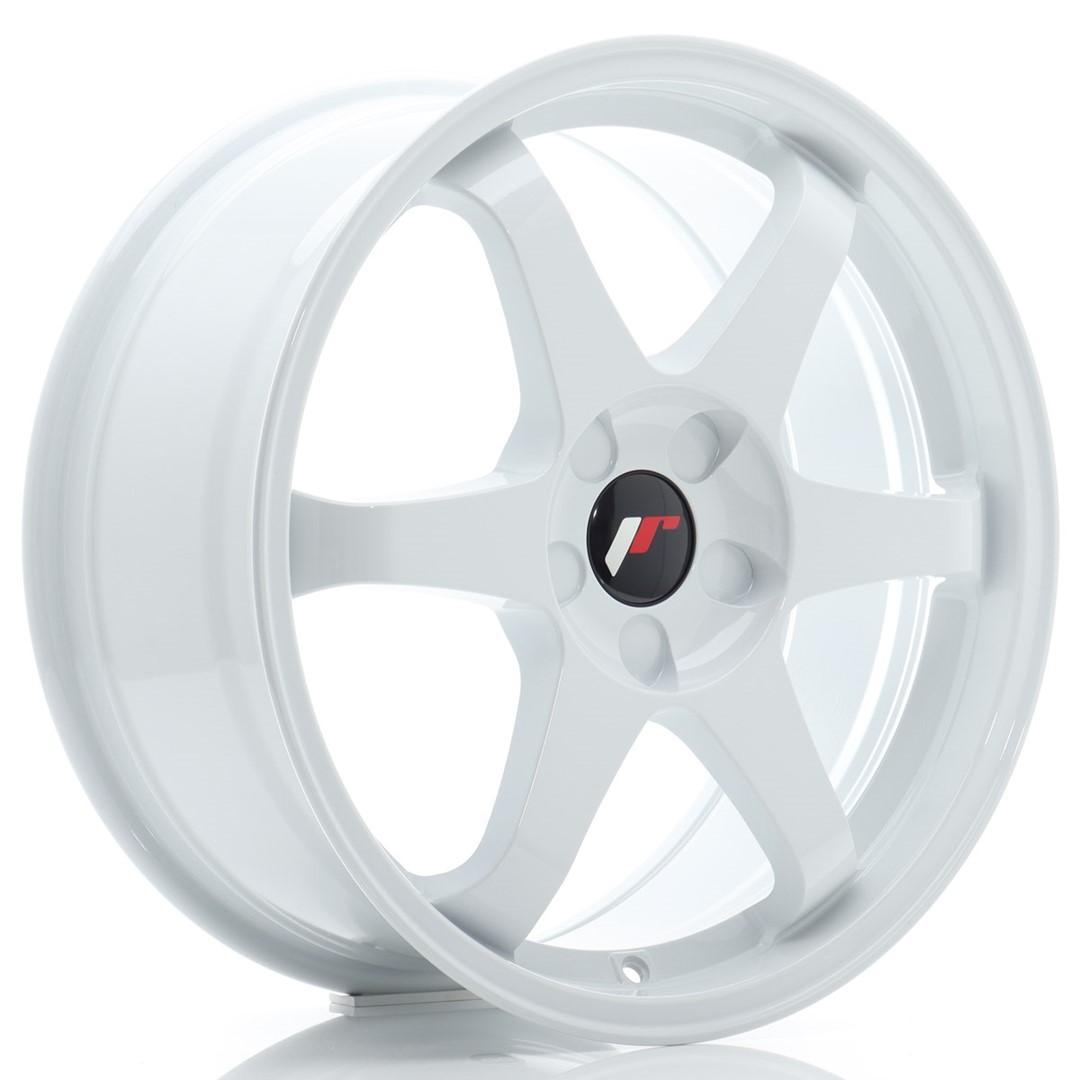
 With Swiss certification & fitting kit
Available immediately, Delivery time: 5-14 days
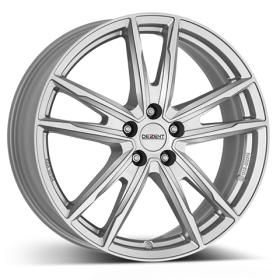
 With Swiss certification & fitting kit
Available immediately, Delivery time: 1-2 days
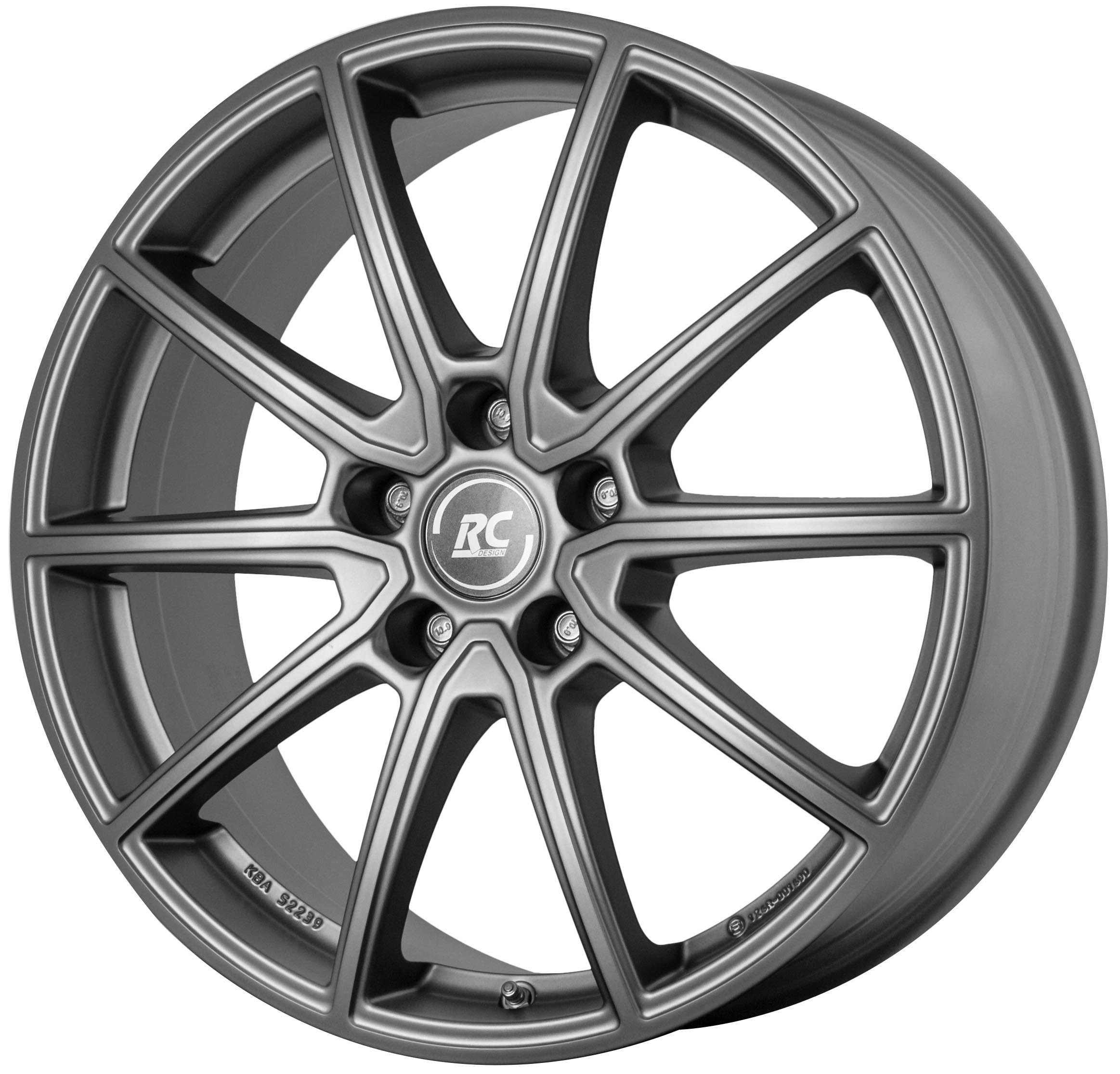
 With Swiss certification & fitting kit
Available immediately, Delivery time: 5-10 days
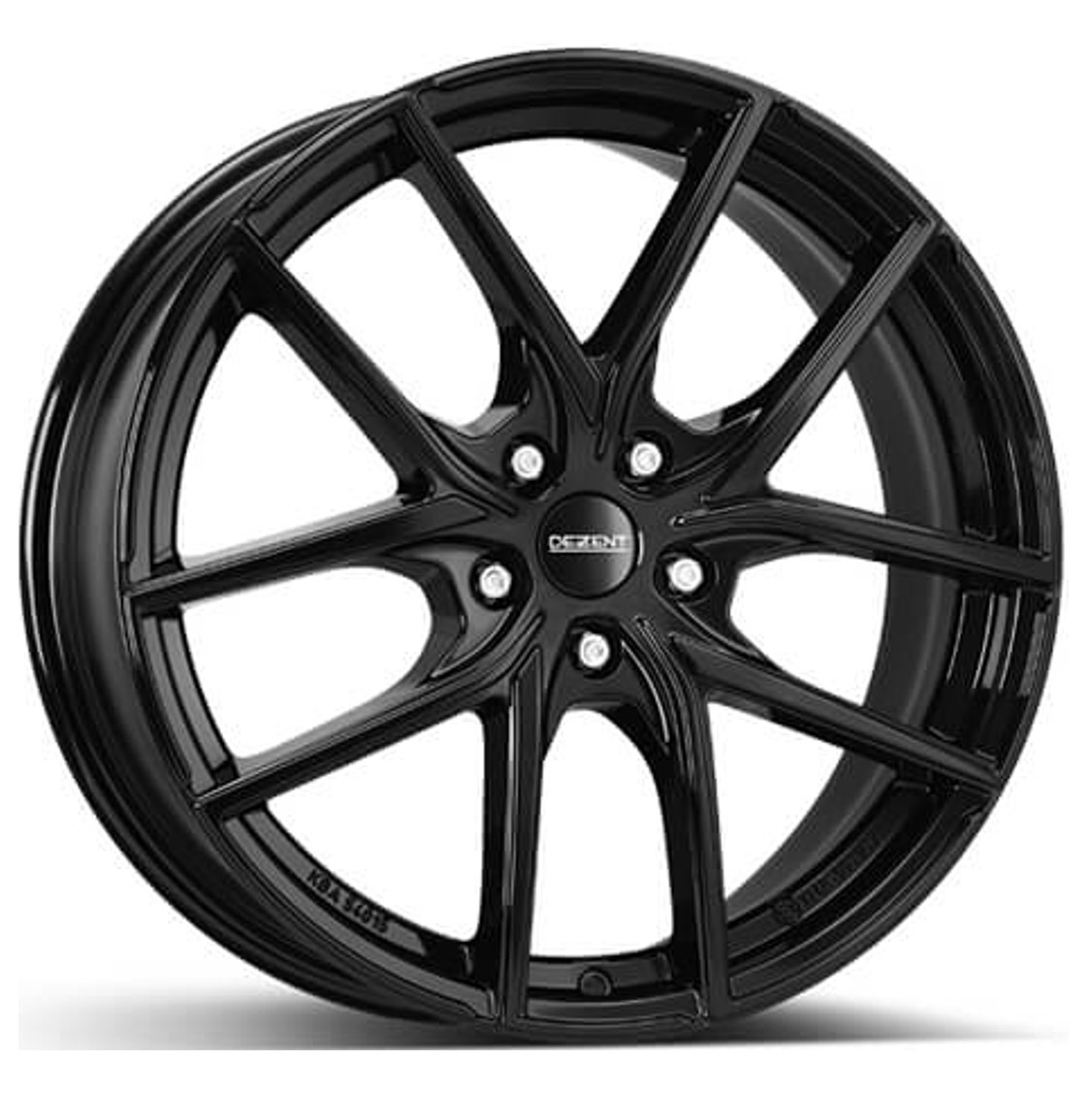 With Swiss certification & fitting kit
Available immediately, Delivery time: 1-2 days
 With Swiss certification & fitting kit
Available immediately, Delivery time: 1-2 days
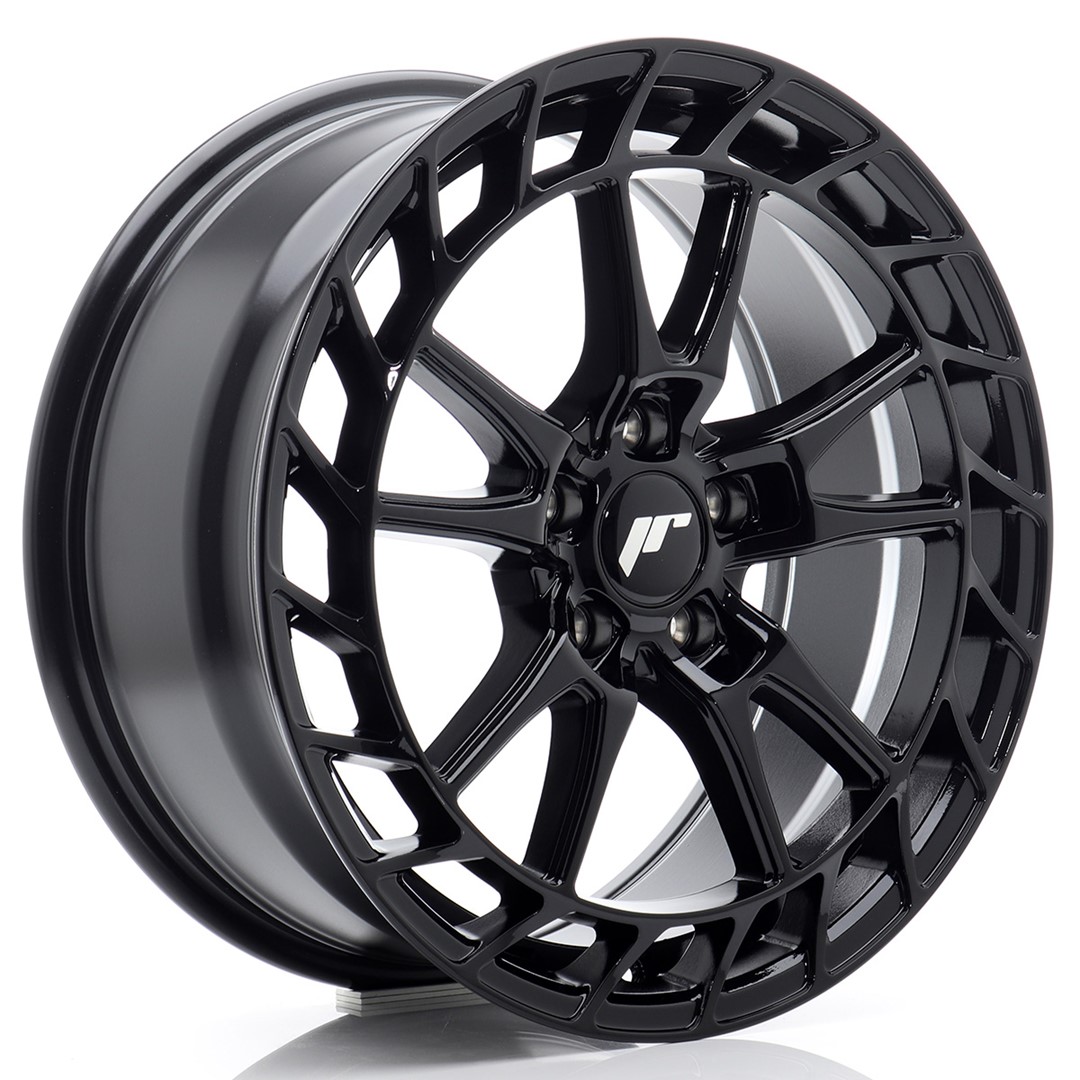 With Swiss certification & fitting kit
Available immediately, Delivery time: 5-14 days
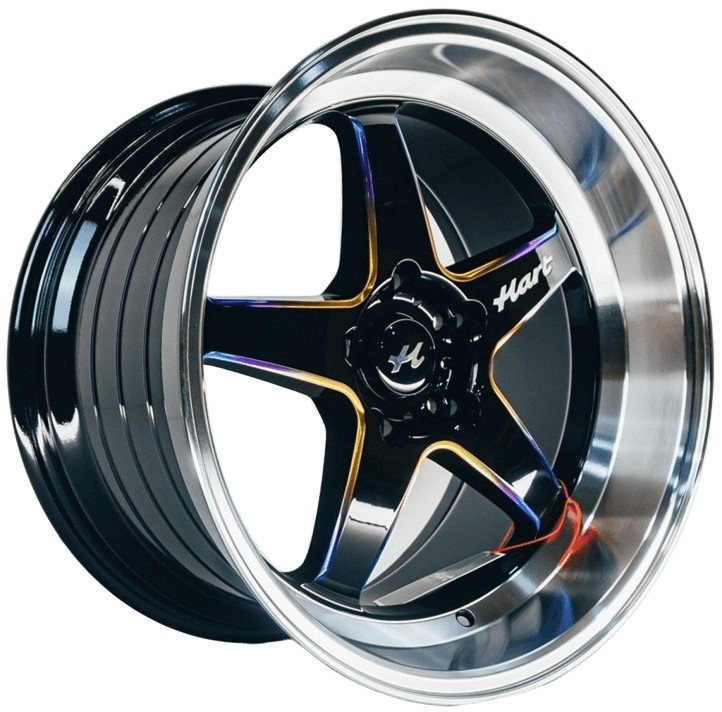
 With Swiss certification & fitting kit
Available immediately, Delivery time: 7-10 days
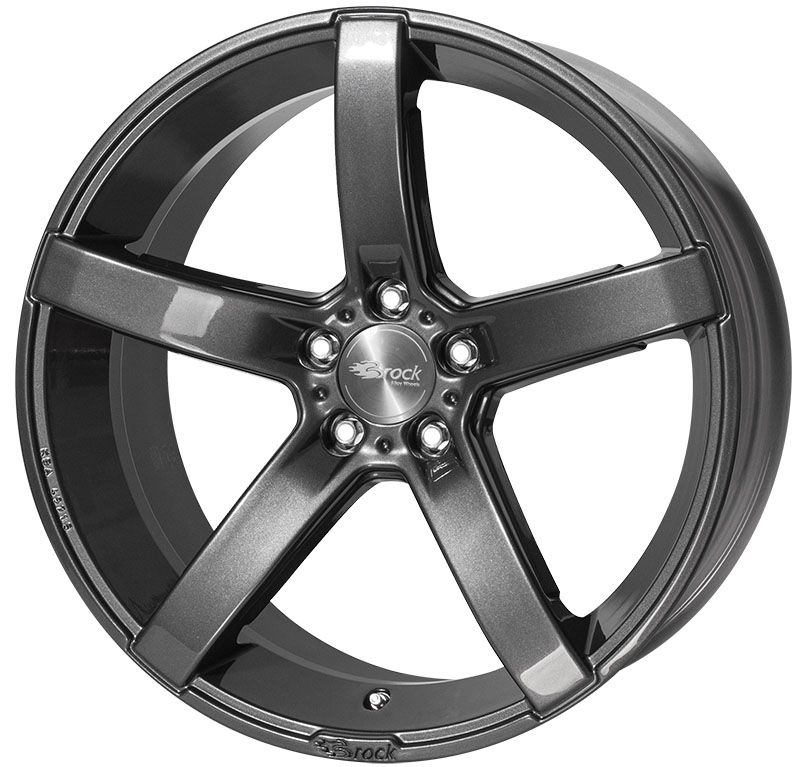
 With Swiss certification & fitting kit
Available immediately, Delivery time: 5-10 days
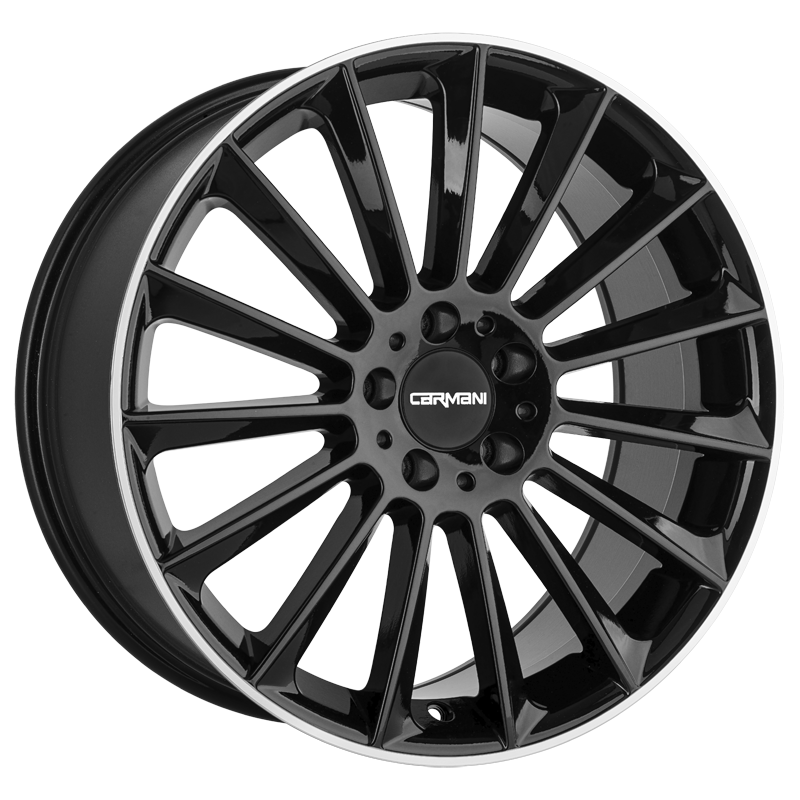
 With Swiss certification & fitting kit
Available immediately, Delivery time: 5-10 days
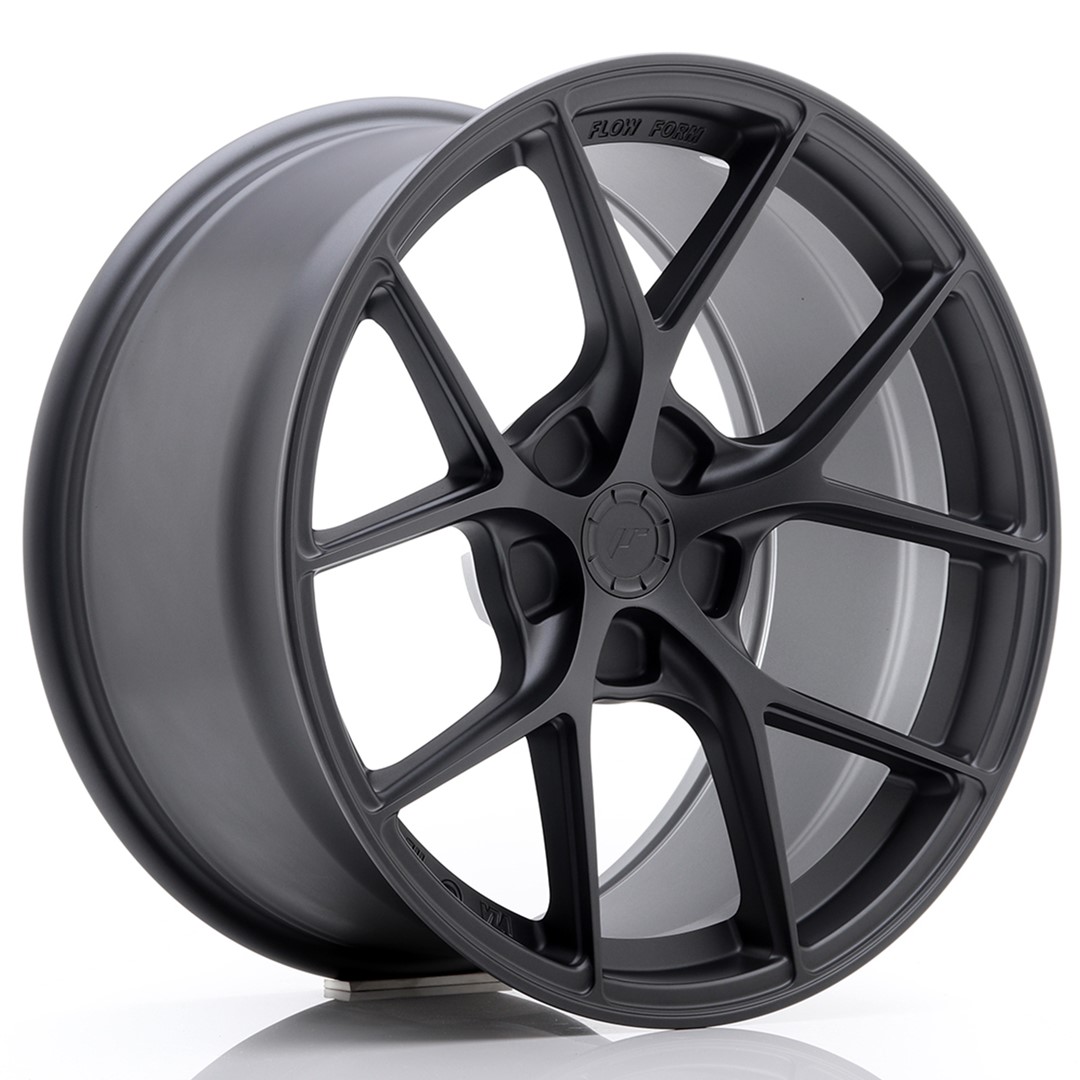 With Swiss certification & fitting kit
Available immediately, Delivery time: 5-14 days
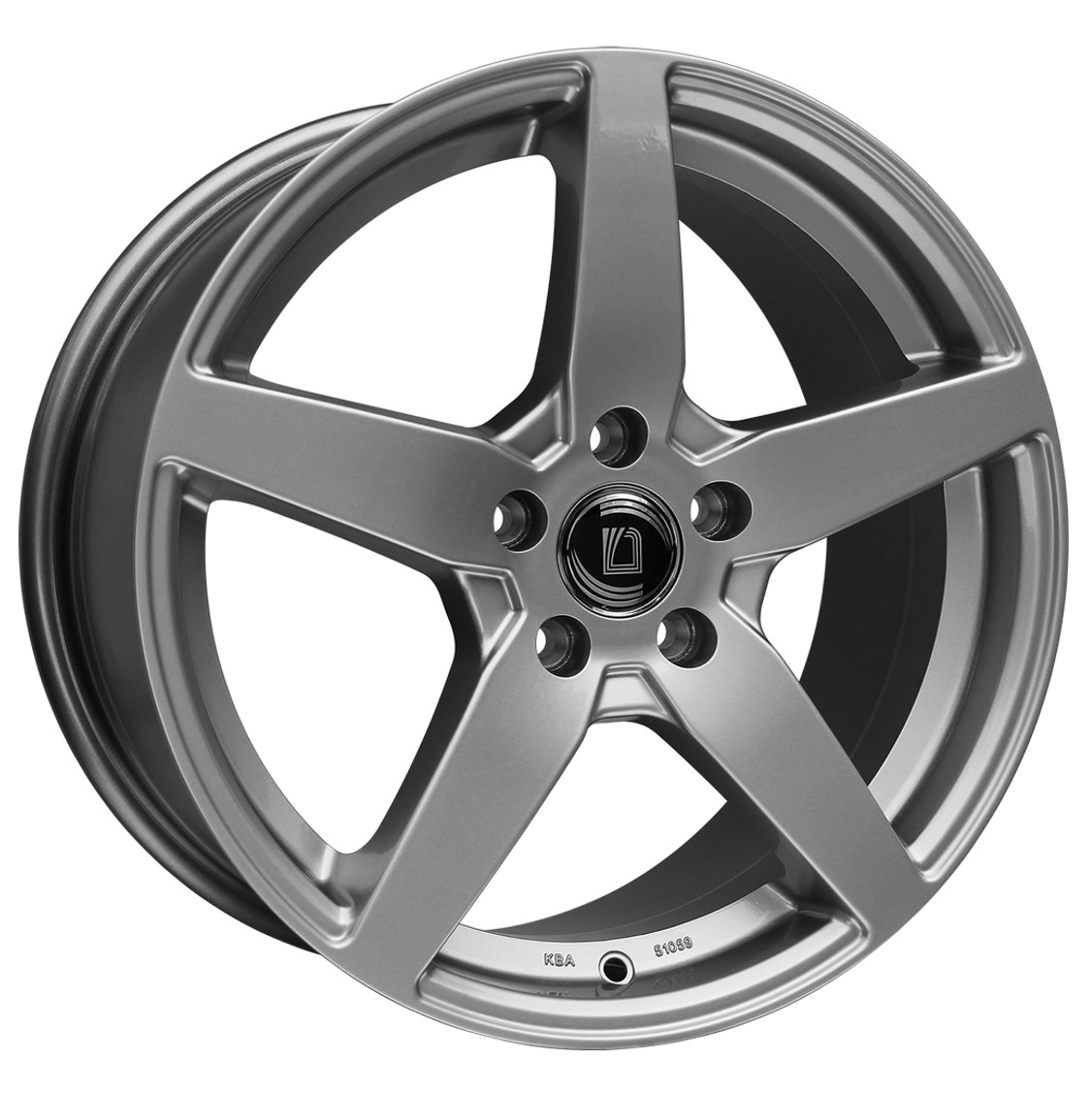
 With Swiss certification & fitting kit
Available immediately, Delivery time: 7-14 days
 With Swiss certification & fitting kit
Available immediately, Delivery time: 5-14 days
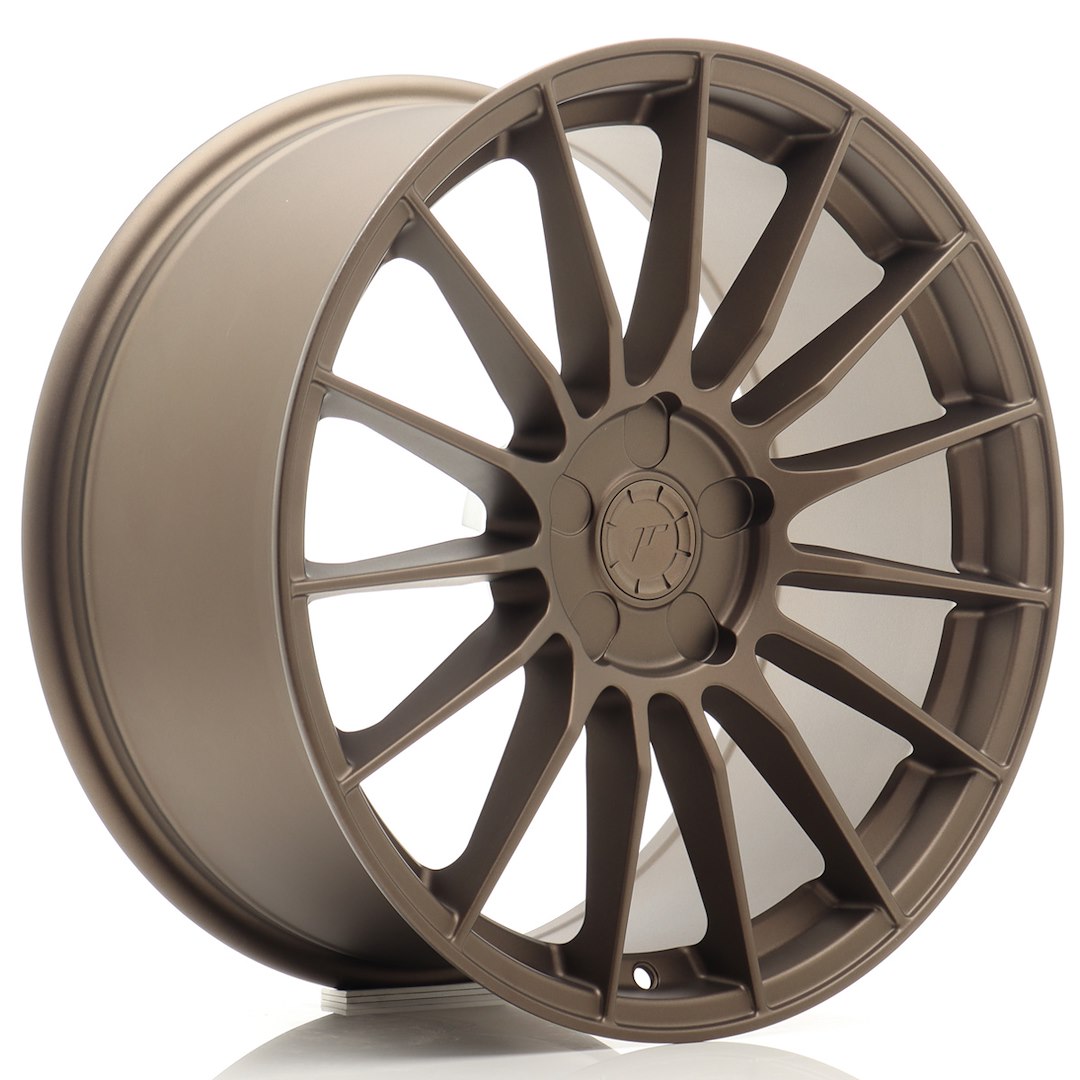 With Swiss certification & fitting kit
Available immediately, Delivery time: 5-14 days
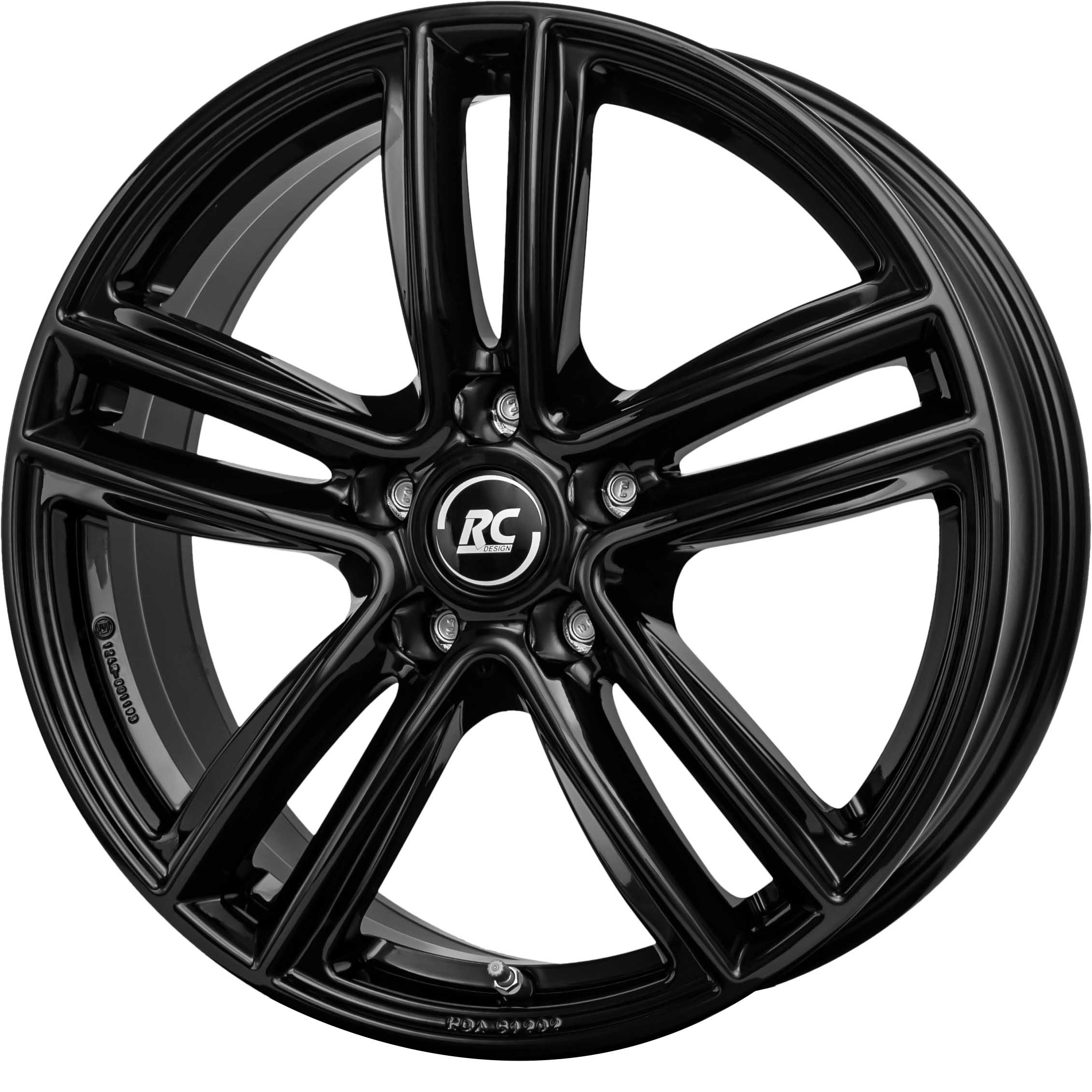 With Swiss certification & fitting kit
Available immediately, Delivery time: 5-10 days
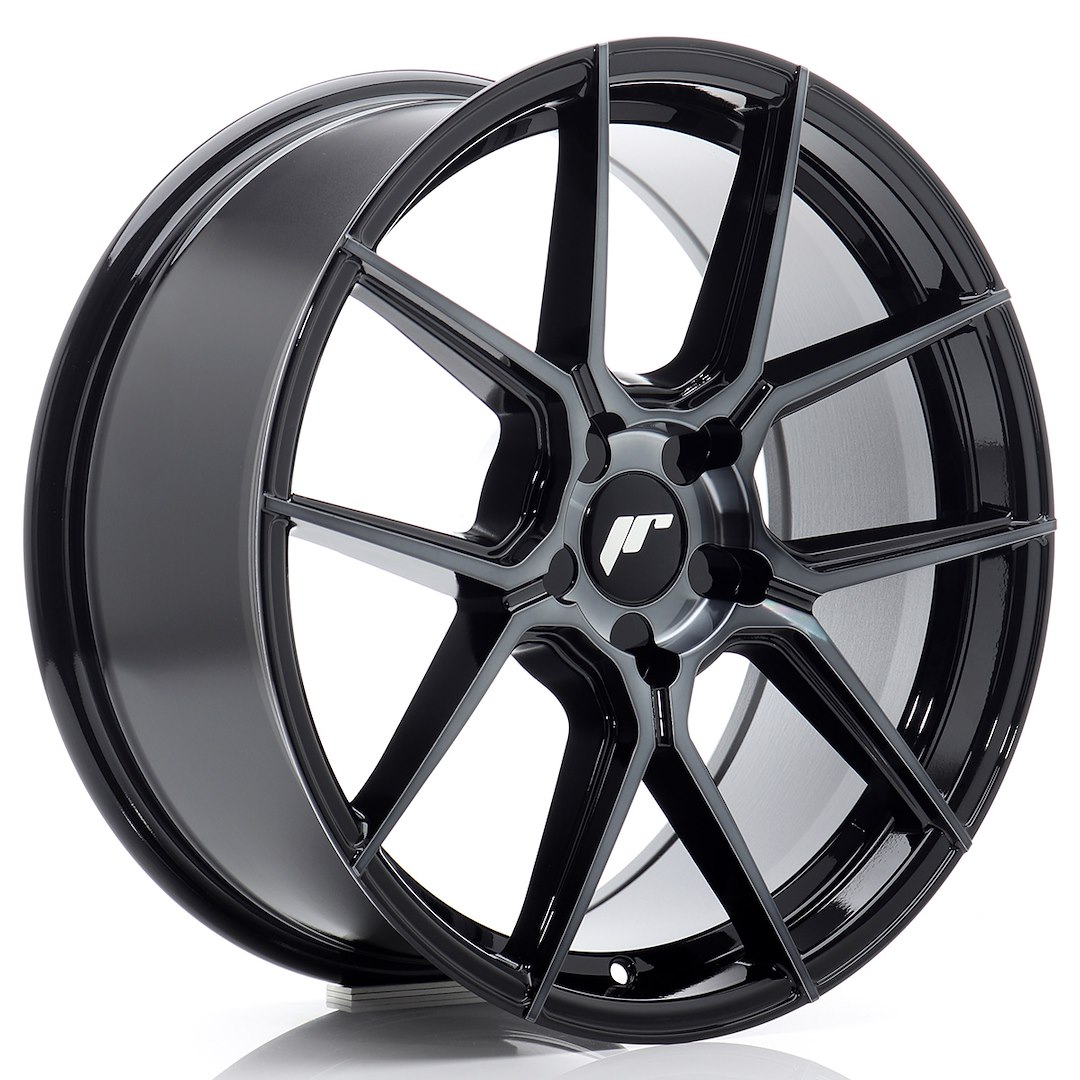 With Swiss certification & fitting kit
Available immediately, Delivery time: 5-14 days
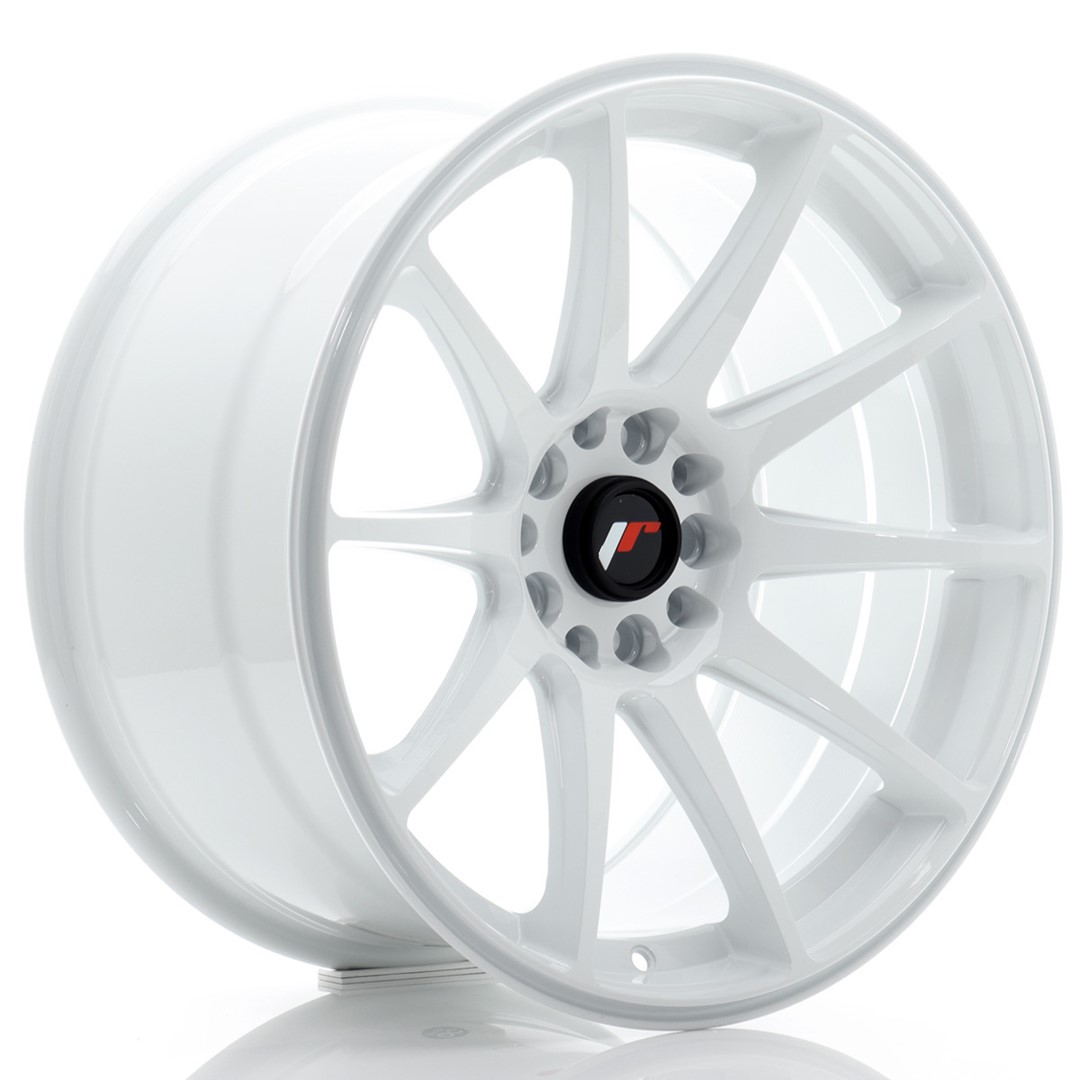 With Swiss certification & fitting kit
Available immediately, Delivery time: 5-14 days
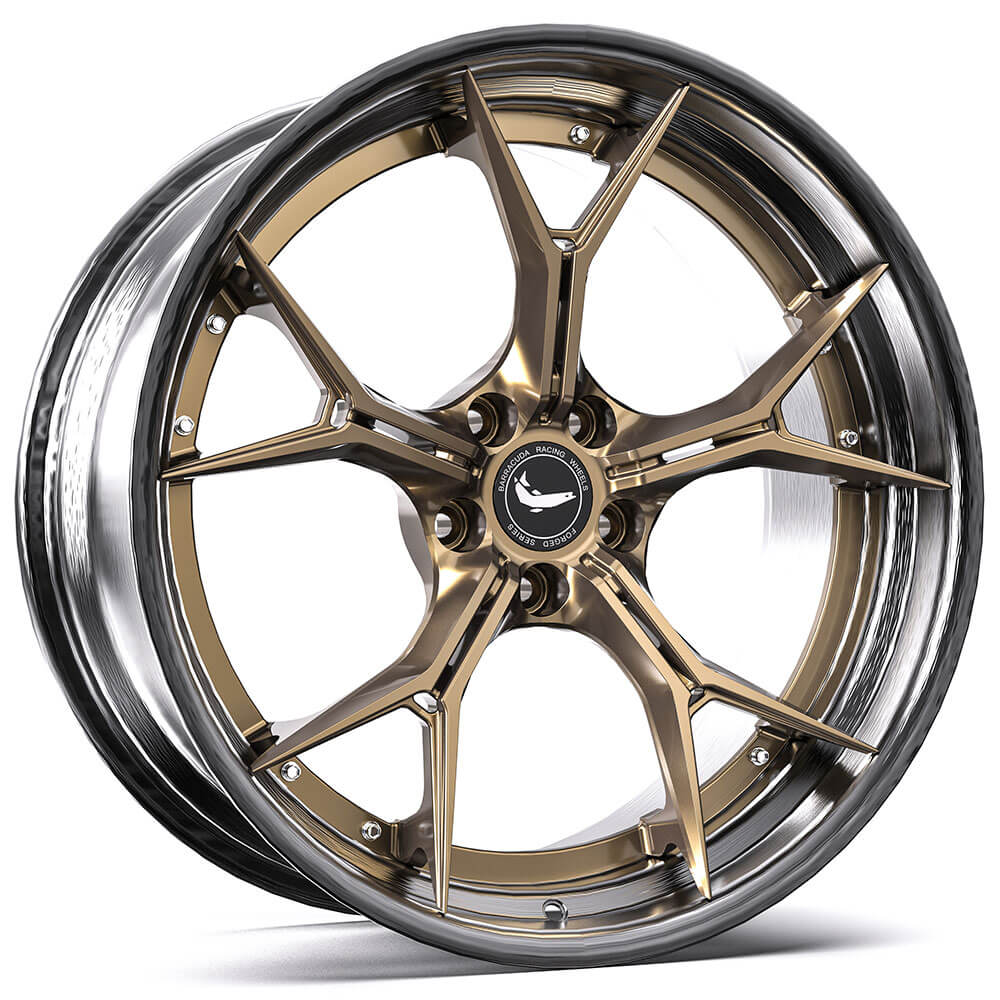
 With Swiss certification & fitting kit
Delivery time: On request (Partially from stock)
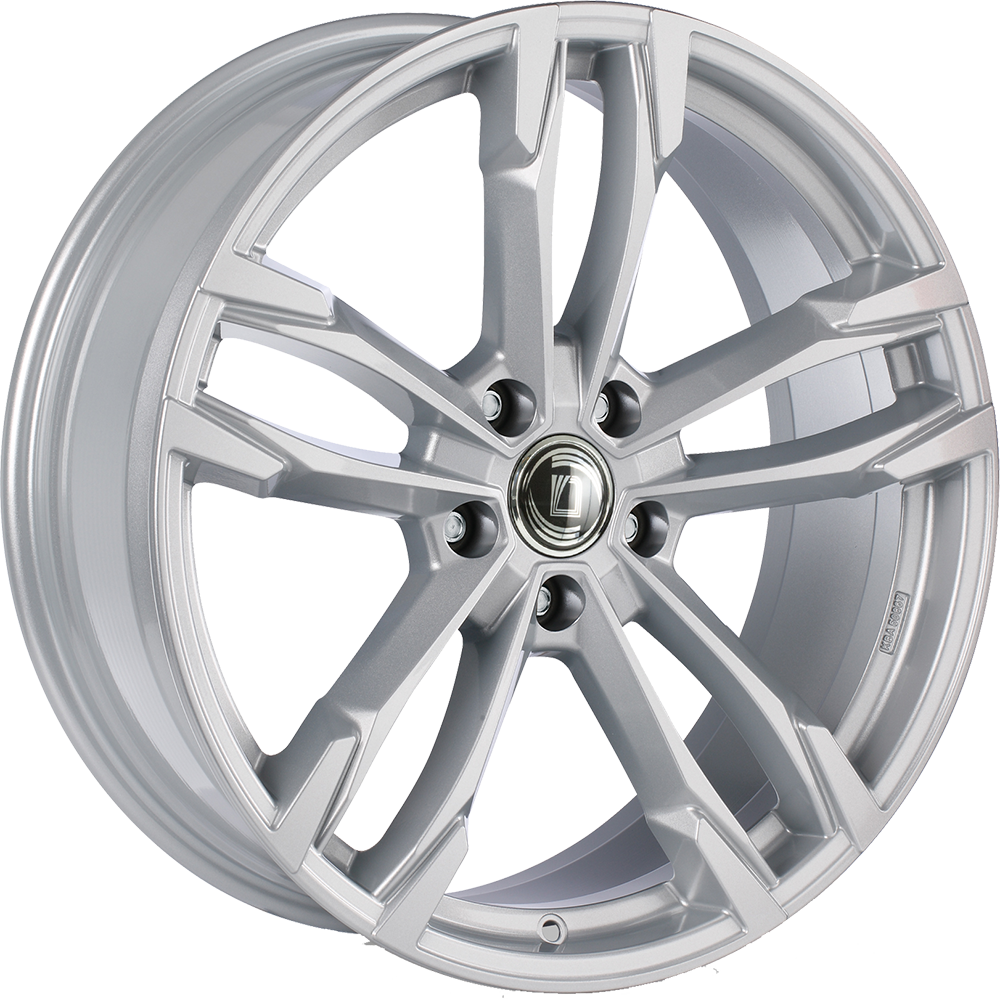 With Swiss certification & fitting kit
Available immediately, Delivery time: 7-14 days
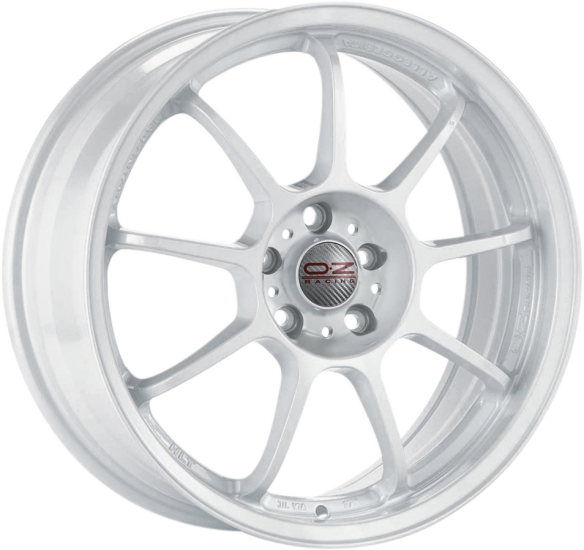 With Swiss certification & fitting kit
Available immediately, Delivery time: 5-10 days
 With Swiss certification & fitting kit
Available immediately, Delivery time: 5-14 days
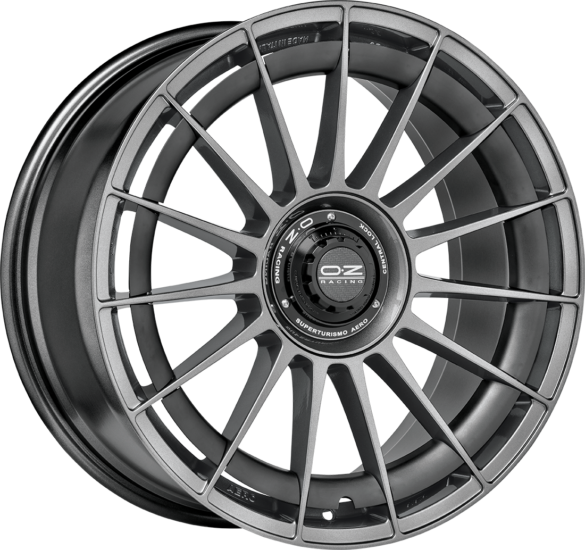 With Swiss certification & fitting kit
Available immediately, Delivery time: 5-10 days
With Swiss certification & fitting kit
Available immediately, Delivery time: 5-10 days
Buying Guide for 18-inch Wheels
Are 18-inch Wheels Permitted for Your Vehicle?
Before choosing the design or brand, you should first clarify whether 18-inch wheels are permitted for your specific vehicle model and its corresponding version.
The wheel dimensions must match the vehicle homologation, the approved tyre dimensions, and technical parameters such as width and offset (ET). Even within the same brand – for example, with BMW, Audi, Mercedes-Benz, or VW – different model generations, engine variants, or equipment lines can have differing technical specifications. For some vehicles, 18-inch wheels are standard, while for others, they are an optional or aftermarket configuration that requires additional verification.
It is important to distinguish between technically possible installation and legal permissibility. The fact that an 18-inch wheel can physically be fitted does not automatically mean that this combination is also permitted within the scope of applicable regulations.
Therefore, before purchasing, you should always check whether the combination of 18-inch wheels and suitable tyres precisely matches the model, year of manufacture, and version of your vehicle.
Specifics of 18-inch Configurations
18-inch wheels are frequently used on mid-range and upper-class vehicles, as well as on models with sports packages.
In practice, they are often combined with tyre dimensions such as 225/40 R18, 235/40 R18, or 245/35 R18. Such configurations require precise coordination of wheel width and offset.
Especially with 18-inch wheels, even minor deviations in width or offset can affect the wheel's position in the wheel arch, its clearance to the braking system, or to suspension components. Therefore, for this dimension, the overall technical configuration is crucial – not just the wheel diameter.
CH Certificate (CH Supplement) and Regulatory Framework
The documentation is just as important as technical compatibility.
The CH Certificate (CH Supplement) confirms that a specific wheel model has been tested and approved for clearly defined vehicle types. It contains binding information on permissible dimensions and offset values, as well as any conditions or mounting requirements.
European documents such as an ABE (General Operating Permit) do not automatically mean that a specific combination meets all requirements. It is always crucial that the specific configuration matches the vehicle specification.
Depending on the vehicle and version, a wheel may be registration-free, or in other cases, registration may be required. The purchase decision should therefore always be made considering the available documentation and vehicle configuration.
The Most Important Technical Parameters for 18-inch Wheels
When purchasing 18-inch wheels, three parameters are particularly relevant: bolt pattern, offset (ET), and wheel width. These values must match the vehicle's technical specifications to ensure correct installation and legal compliance.
Bolt Pattern
The bolt pattern describes the number and arrangement of the mounting holes and is specified in formats such as 5x112, 5x100, or 5x110.
This value must fundamentally match the vehicle specification. A wheel with a 5x112 bolt pattern cannot be directly fitted to a vehicle that requires a 5x100 pattern.
In certain cases, special eccentric bolts, for example from manufacturers like Bimecc, can compensate for minor deviations. However, whether such a solution is technically feasible and permissible within the scope of applicable regulations must be checked individually for each vehicle.
In practice, the bolt pattern should match the vehicle specification as closely as possible.
Offset (ET)
The offset determines the wheel's position relative to the hub and the vehicle body.
For example, if a vehicle uses a standard ET45 and a wheel with ET35 is fitted, the wheel moves further outwards. If the offset is higher than permitted, the wheel moves further inwards and may get closer to the braking system or suspension components.
In practice: If only the offset deviates from the approved specification, deviations of ±5 mm are often possible without additional registration. However, this is conditional on all other parameters – width, diameter, bolt pattern, and tyre combination – precisely matching the approved configuration.
Deviations exceeding 2% of the track width require additional verification of the documentation and the specific vehicle configuration.
Wheel Width and Tyre Combination
The wheel width must match the tyre dimensions and the permissible range for the respective vehicle.
For example, a tyre size such as 225/40 R18 is only permitted within a specific width range (e.g., 7.5J-8.5J). If the wheel is too narrow or too wide, it can lead to uneven tyre contact, increased wear, or altered driving dynamics.
In addition to the technical aspect, a non-approved combination can also be relevant from a regulatory perspective. Therefore, the wheel width should be selected exclusively according to the approved specifications, or any tyre approval from the tyre manufacturer should be confirmed.
Use Filters Effectively
For a structured selection of 18-inch wheels, the following approach is recommended:
- First, check the correct bolt pattern of the vehicle
- Then, select the appropriate wheel width for the tyre dimension
- Consider the offset within the permitted range
- Optionally, filter by brand
- If necessary, narrow down by colour, delivery time, or price
This approach reduces the display of technically incompatible models even before the final decision.
How the 3D Wheel Configurator Reduces Risk
If you are unsure about compatibility, we recommend using the 3D Wheel Configurator.
By selecting the exact vehicle model, you can visually check how an 18-inch wheel looks on the vehicle and whether the basic parameters have been considered. The configurator does not replace a document check, but it increases planning certainty before ordering.
Common Mistakes When Buying 18-inch Wheels
Typical mistakes include:
- Assuming that any 18-inch wheel fits any vehicle
- Making the purchase decision based solely on design
- Ignoring offset and width
- Combining wheels and tyres without a technical check.
Individual Check Before Ordering
Regardless of whether your vehicle is in its standard condition or has been modified, an additional compatibility check may be useful.
If you have uncertainties regarding offset, width, bolt pattern, or regulatory aspects, individual consultation with our team via WhatsApp is possible.
This allows technical and legal risks to be clarified in advance, making the purchase decision more transparent and secure.
Conclusion
18-inch wheels require precise coordination of technical parameters and appropriate documentation.
Technically possible installation does not automatically mean legal permissibility. Correct dimensions, suitable offset values, coordinated width, and consideration of legal requirements are crucial.
By carefully checking the configuration and adhering to the applicable regulations, a safe and legally compliant purchase decision can be made.