
19-inch rims
In this category, you will find over 600 models from renowned brands such as Japan Racing, Concaver, Barracuda, Aversus
- including expert advice on selecting the right rims.
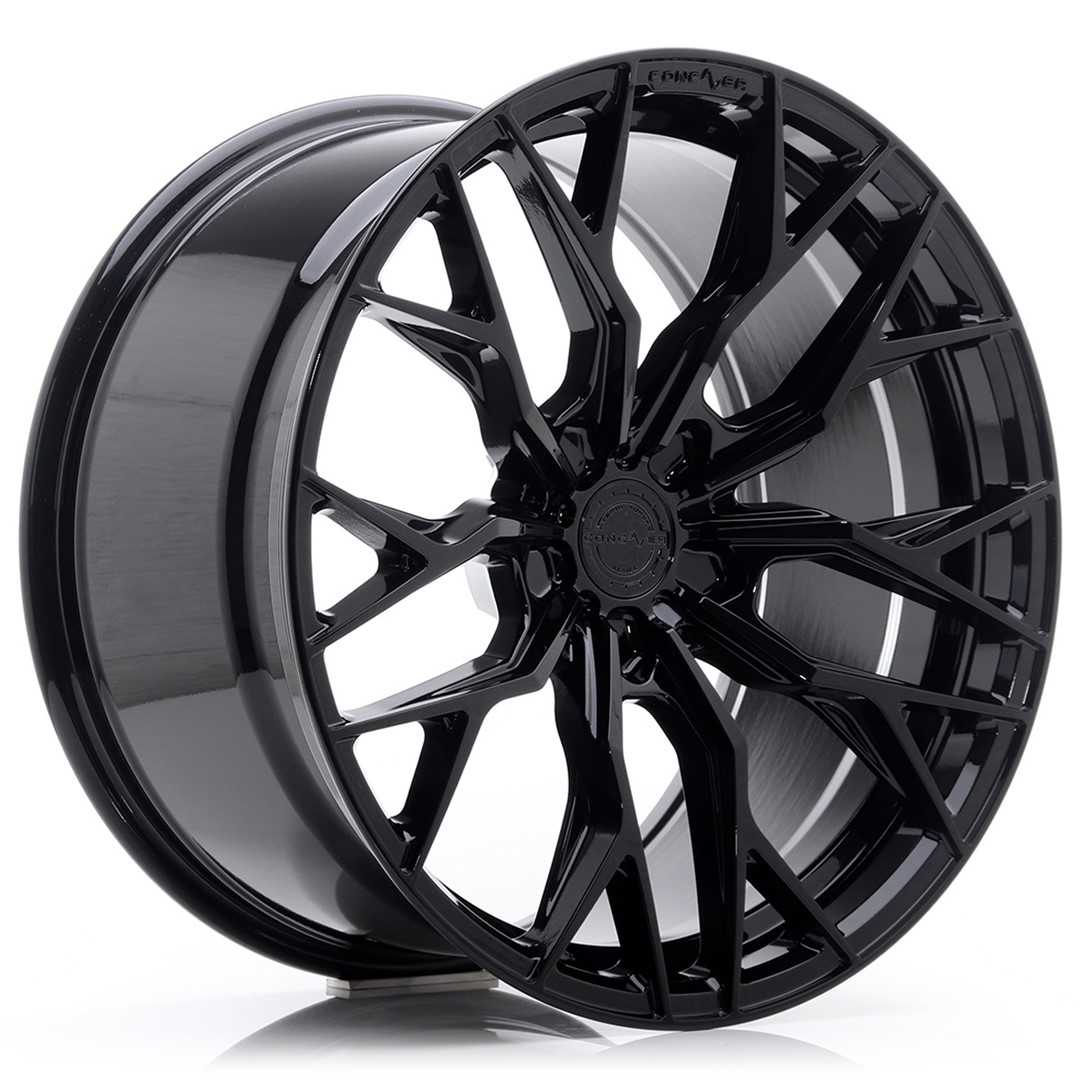

 With Swiss certification & fitting kit
Available immediately, Delivery time: 5-14 days
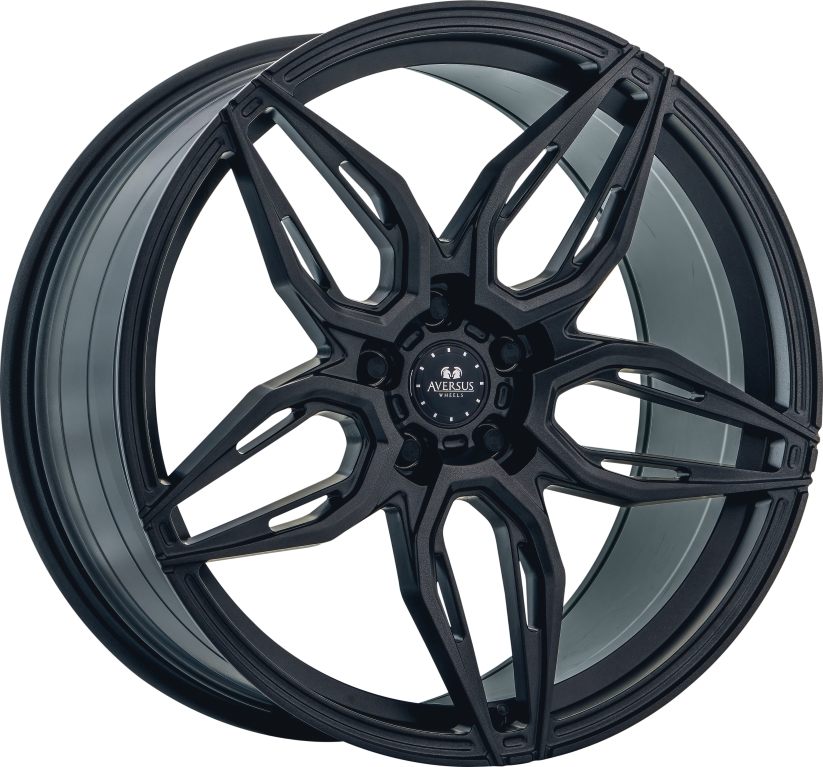
 With Swiss certification & fitting kit
Available immediately, Delivery time: 1-2 days
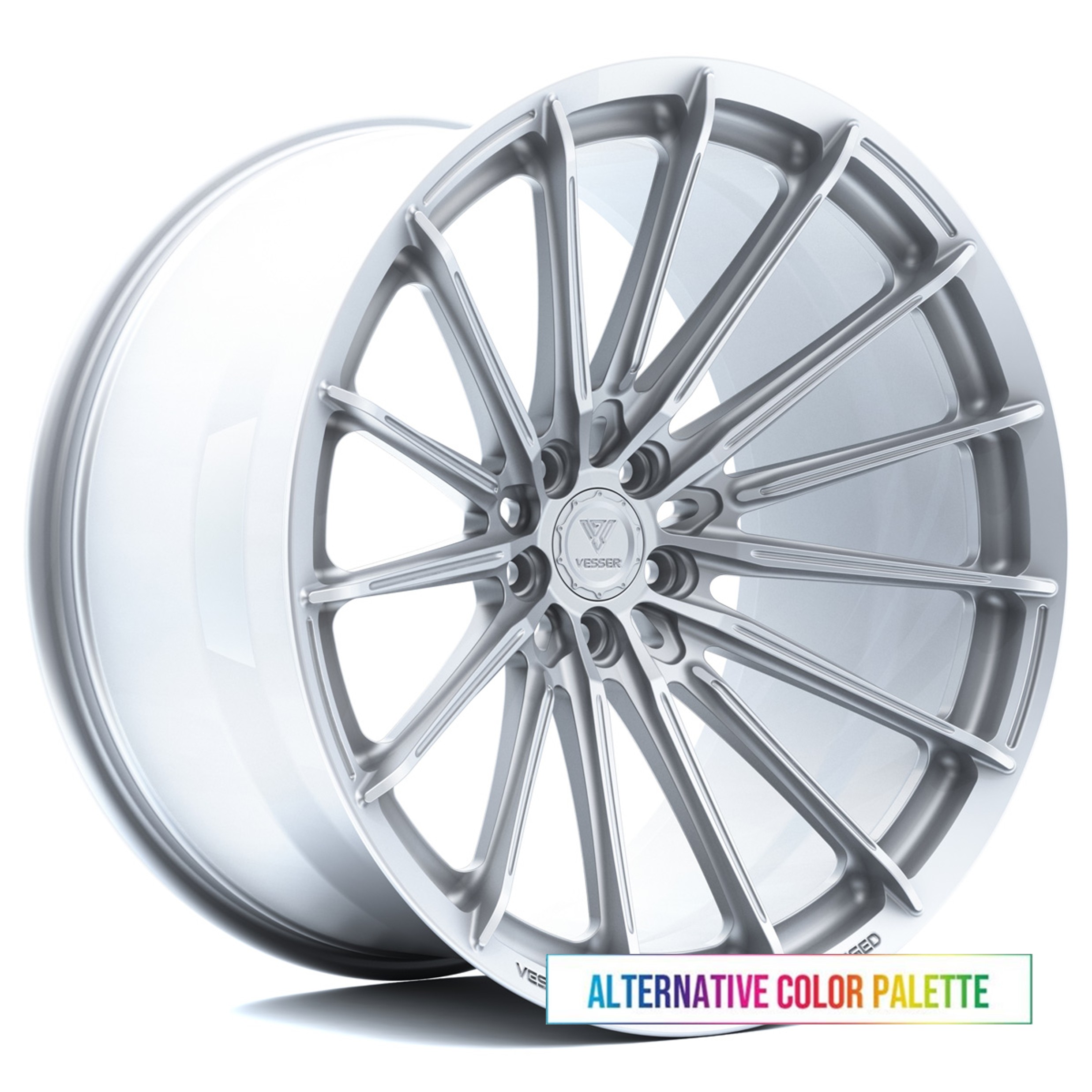
 With Swiss certification & fitting kit
Available immediately, Delivery time: 8–12 Weeks
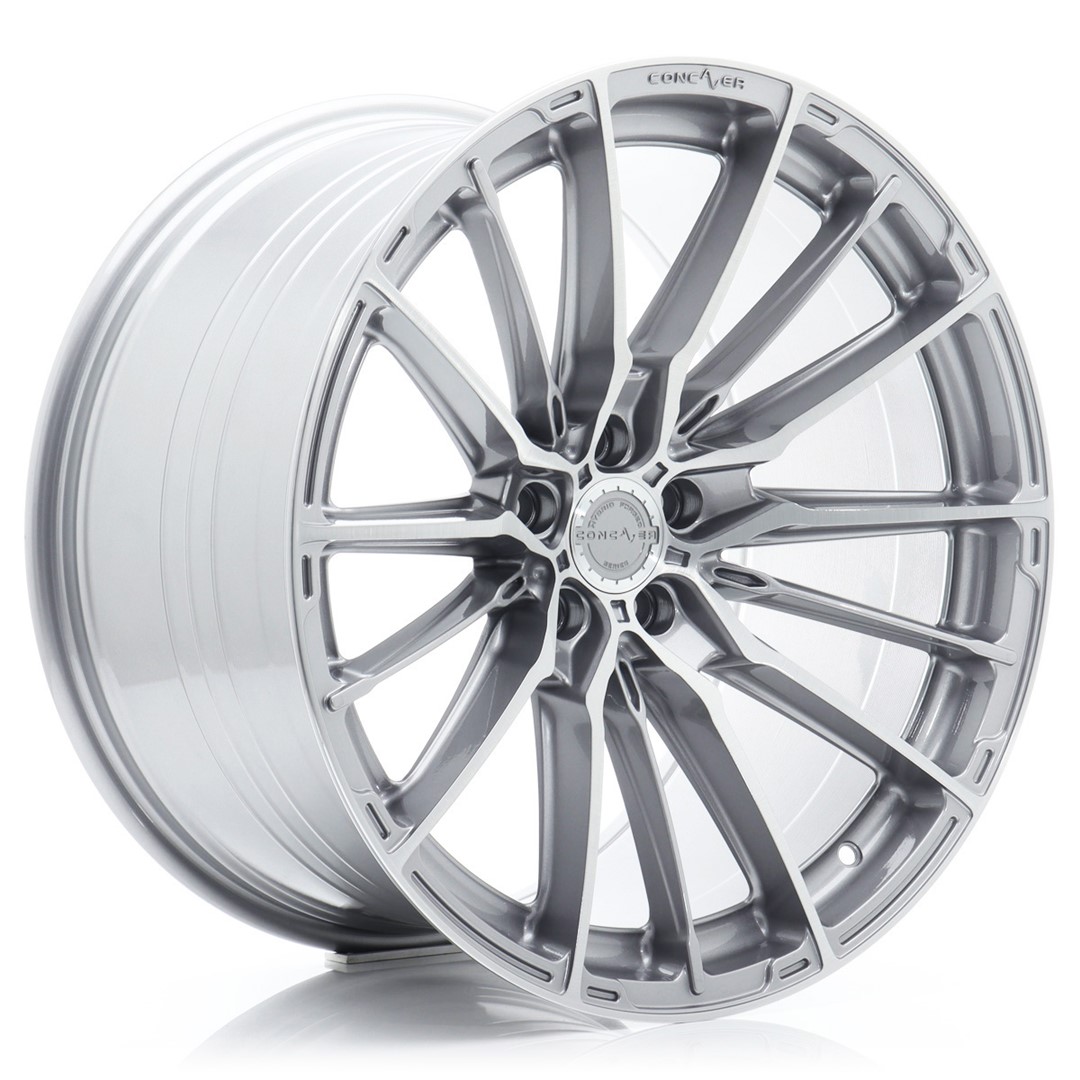 With Swiss certification & fitting kit
Available immediately, Delivery time: 5-14 days
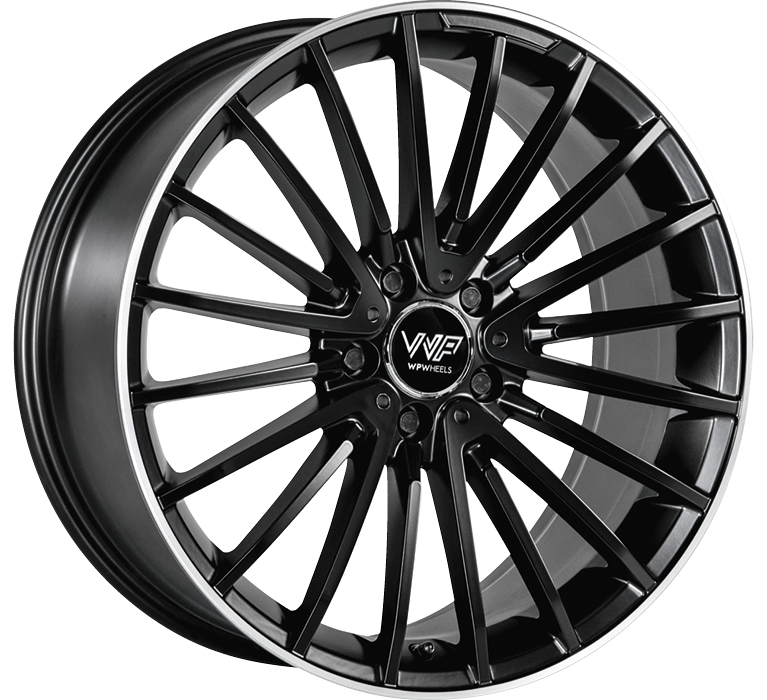
 With Swiss certification & fitting kit
Available immediately, Delivery time: 1-2 days
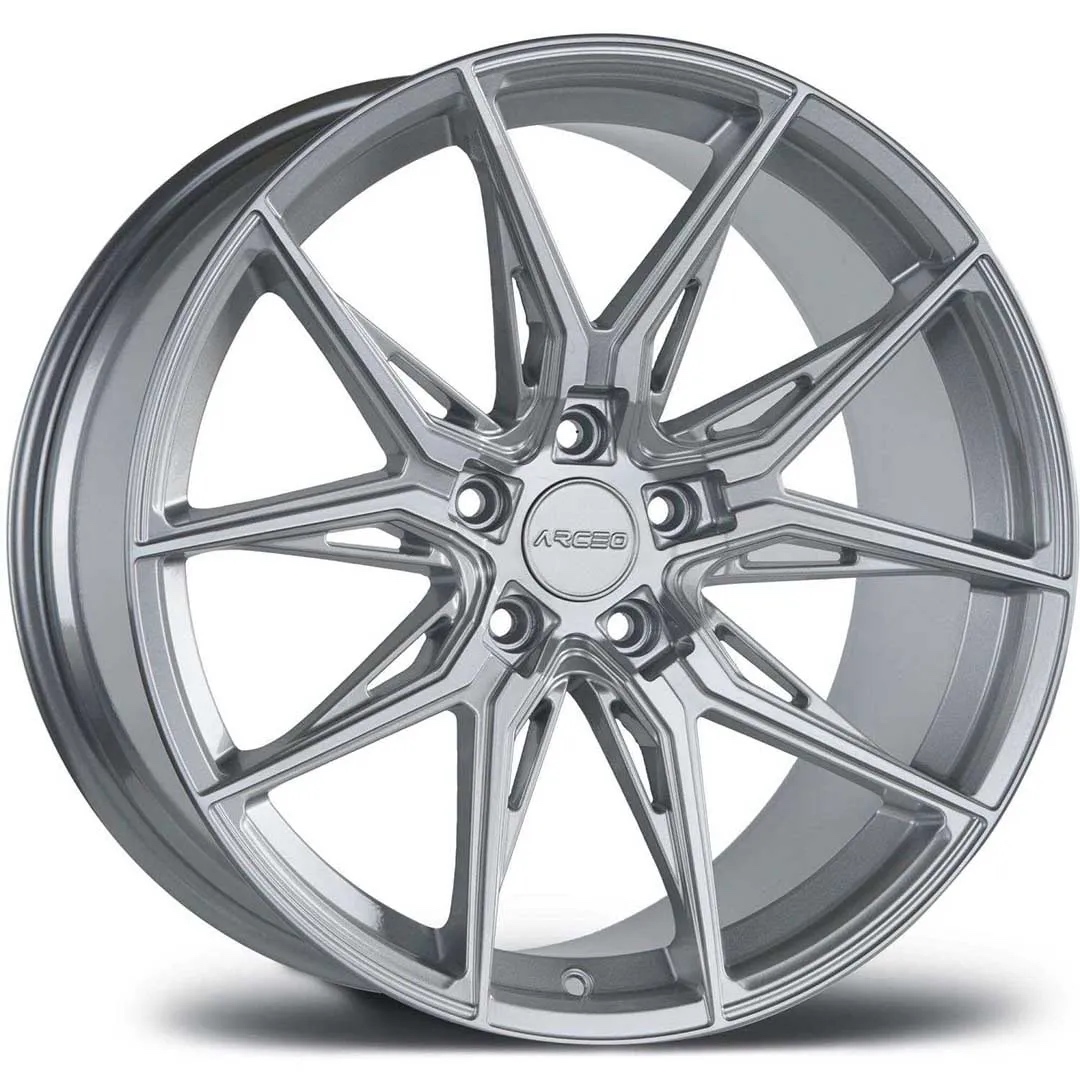
 With Swiss certification & fitting kit
Available immediately, Delivery time: 7 days
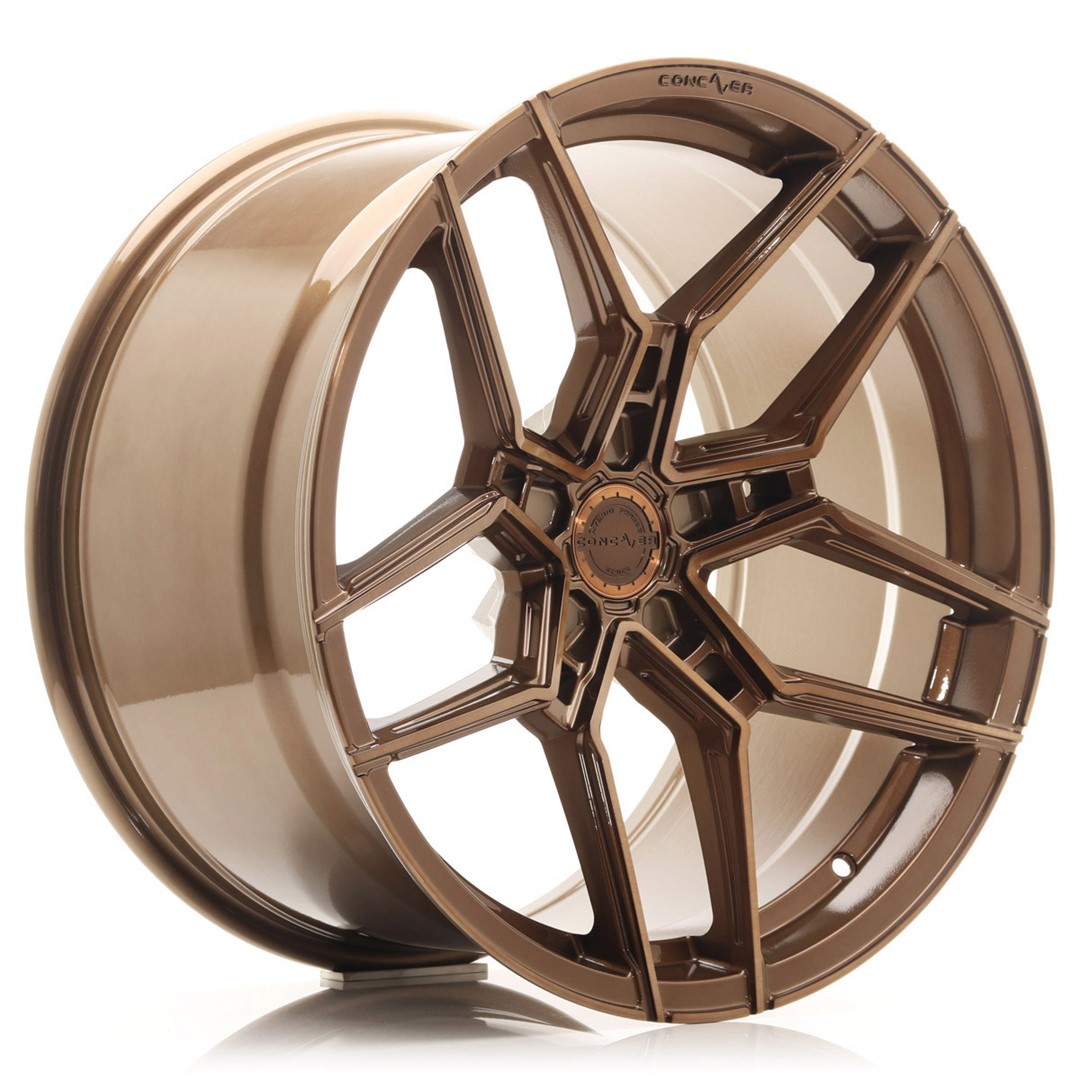 With Swiss certification & fitting kit
Available immediately, Delivery time: 5-14 days
 With Swiss certification & fitting kit
Available immediately, Delivery time: 5-10 days
 With Swiss certification & fitting kit
Available immediately, Delivery time: 5-10 days
 With Swiss certification & fitting kit
Available immediately, Delivery time: 5-14 days
 With Swiss certification & fitting kit
Available immediately, Delivery time: 5-14 days
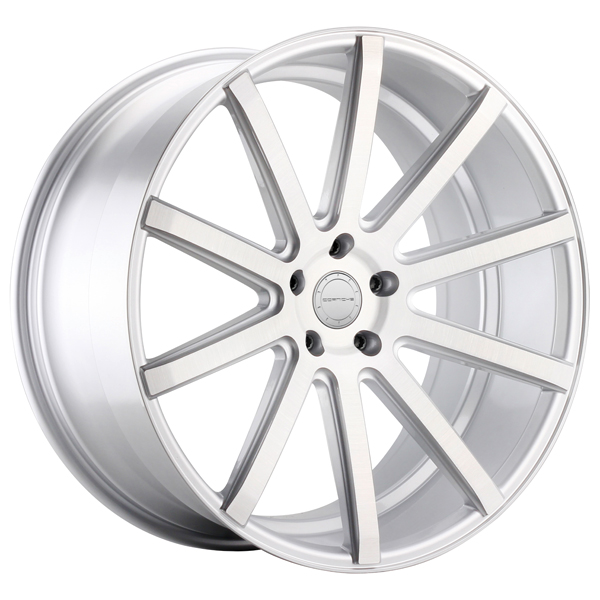
 With Swiss certification & fitting kit
Available immediately, Delivery time: 1-2 days
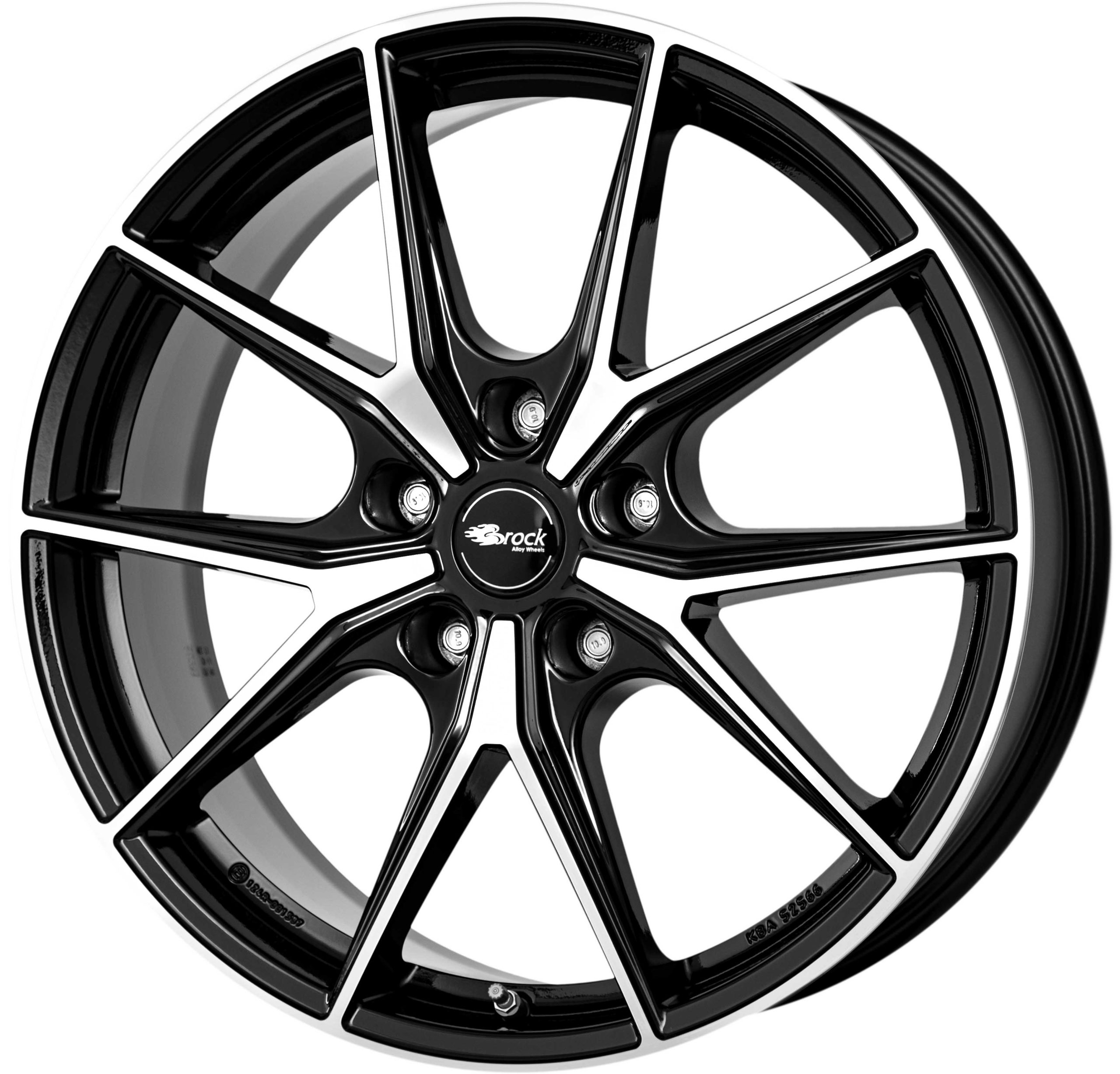 With Swiss certification & fitting kit
Available immediately, Delivery time: 5-10 days
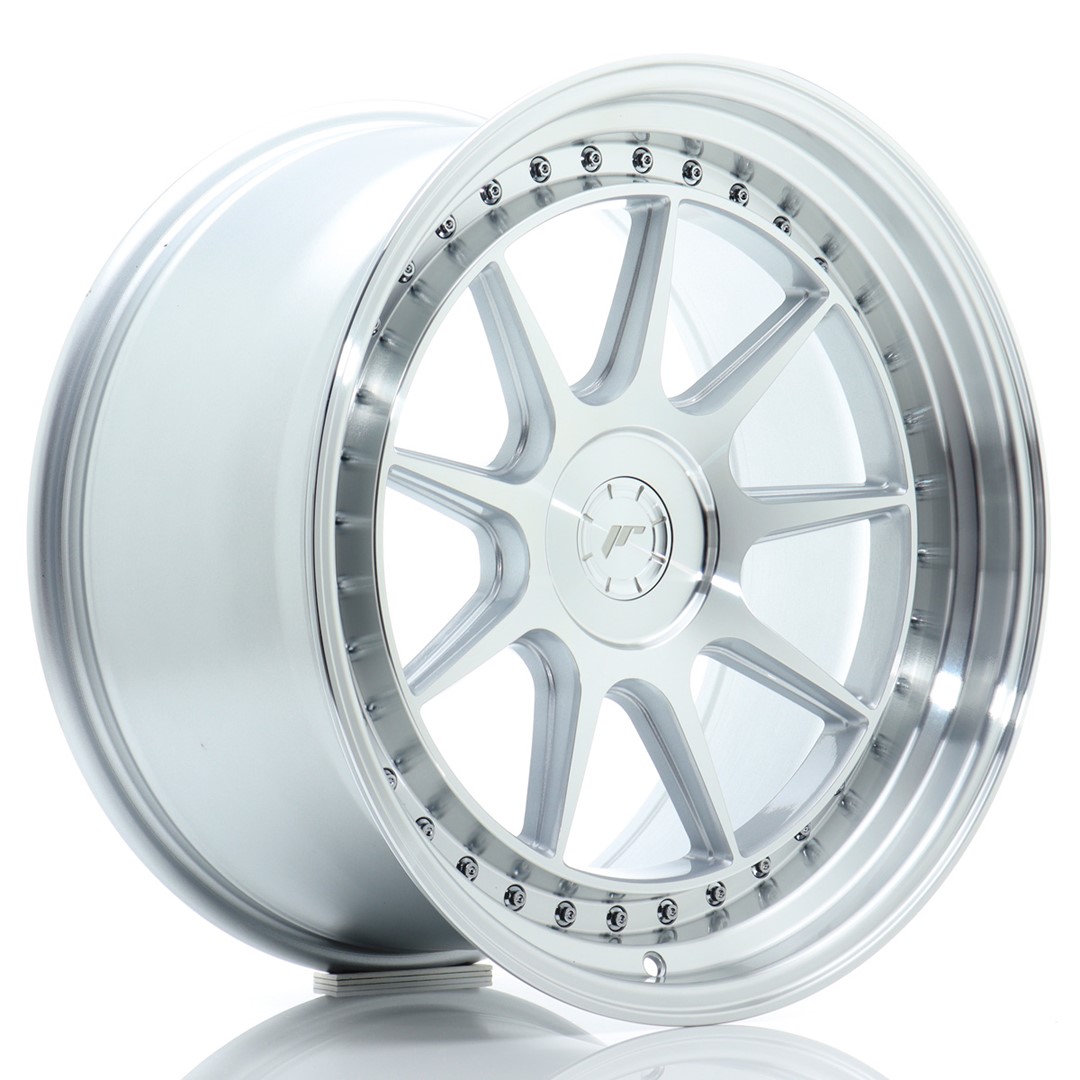
 With Swiss certification & fitting kit
Available immediately, Delivery time: 5-14 days
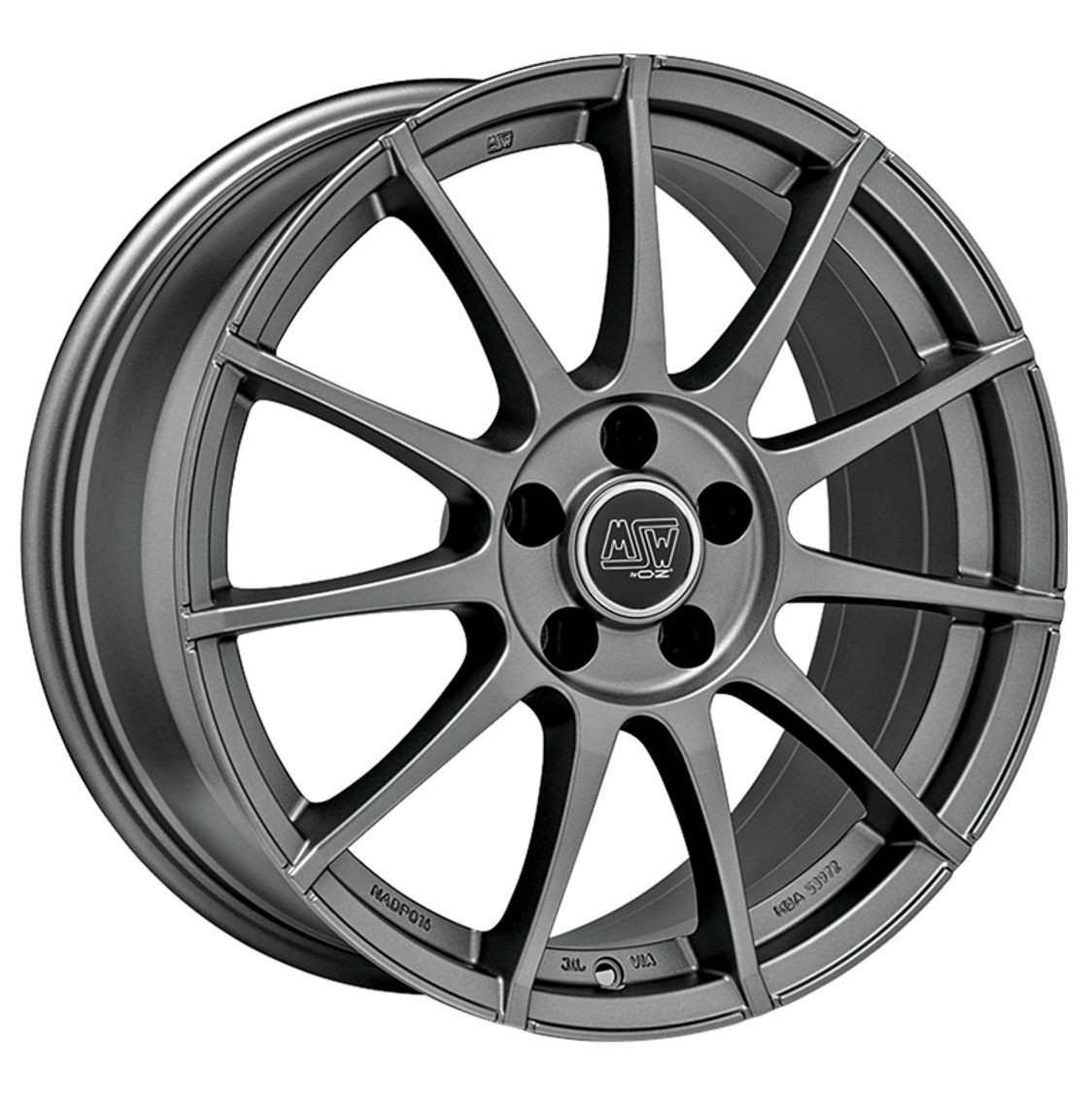
 With Swiss certification & fitting kit
Available immediately, Delivery time: 5-10 days
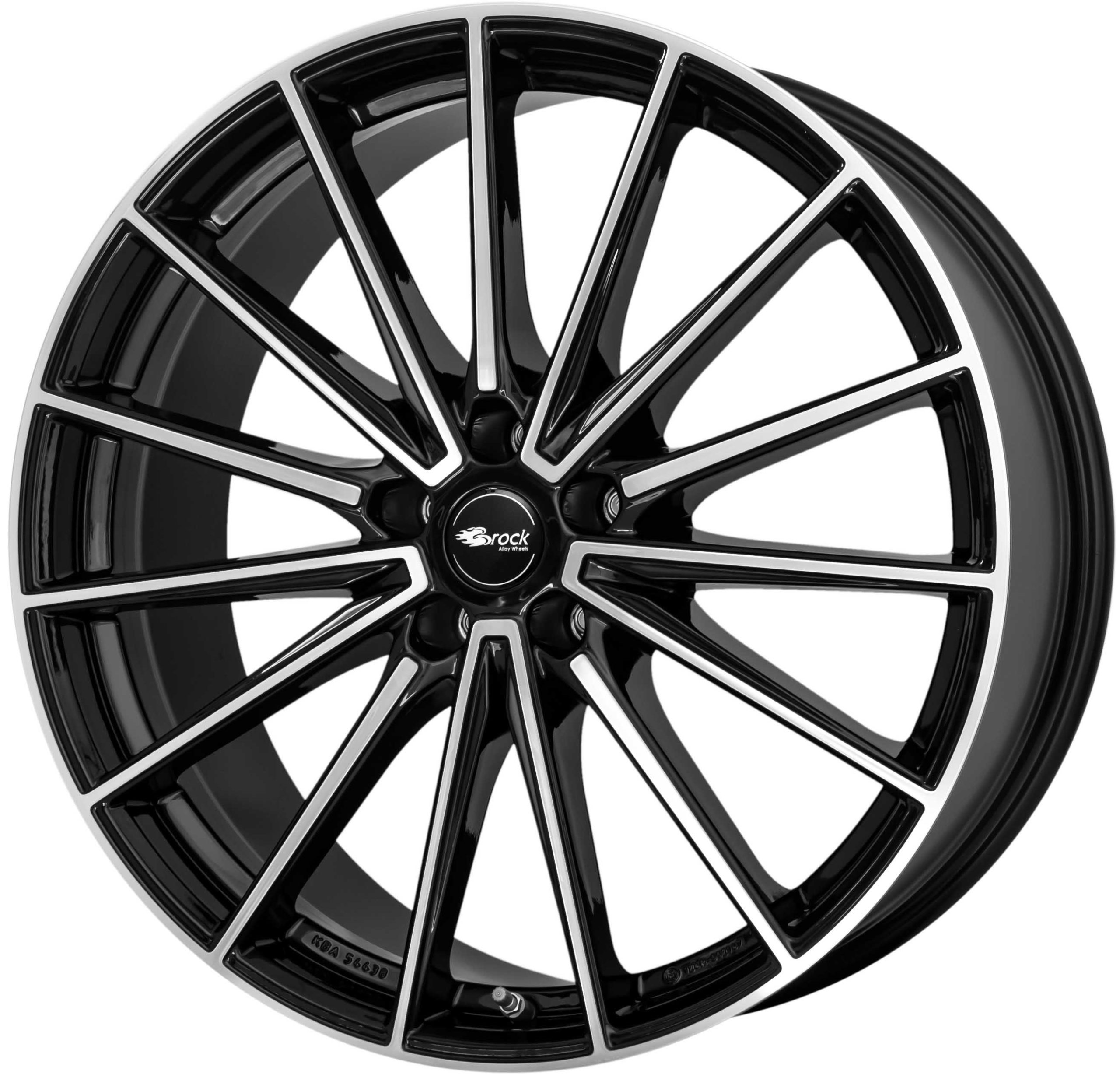 With Swiss certification & fitting kit
Available immediately, Delivery time: 5-10 days
 With Swiss certification & fitting kit
Available immediately, Delivery time: 5-14 days
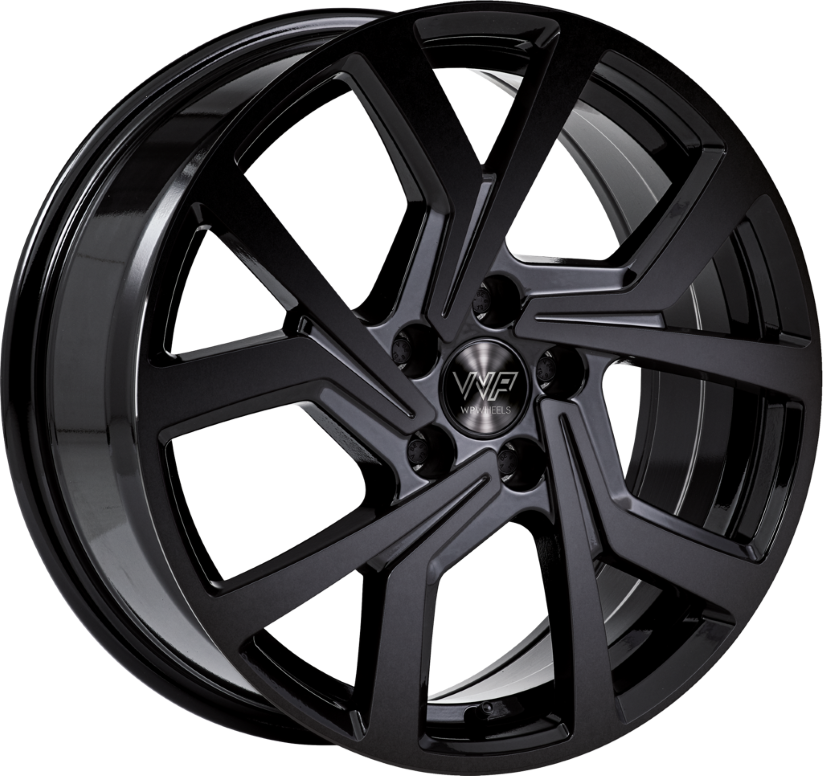 With Swiss certification & fitting kit
Available immediately, Delivery time: 1-2 days
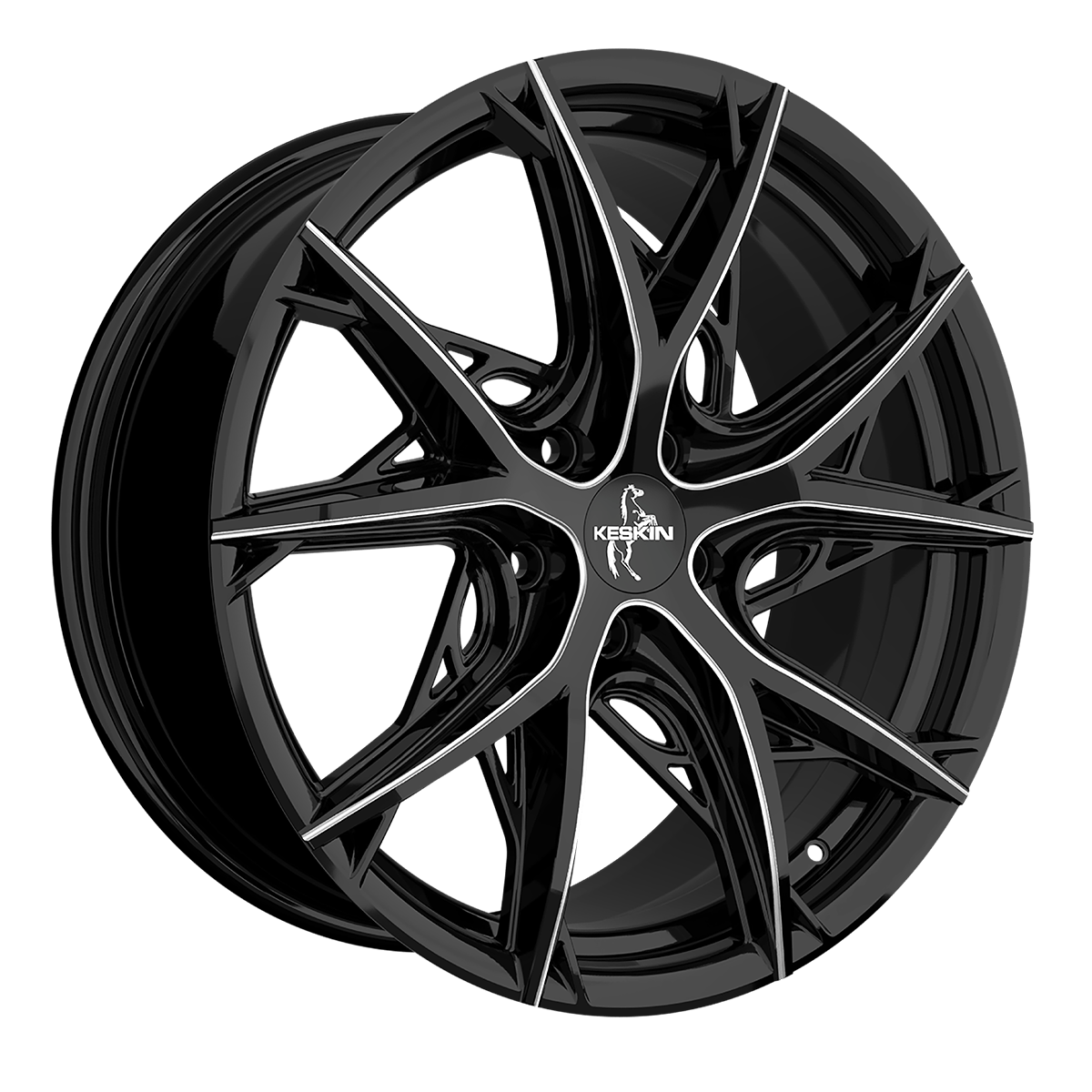
 With Swiss certification & fitting kit
Available immediately, Delivery time: 5-14 days
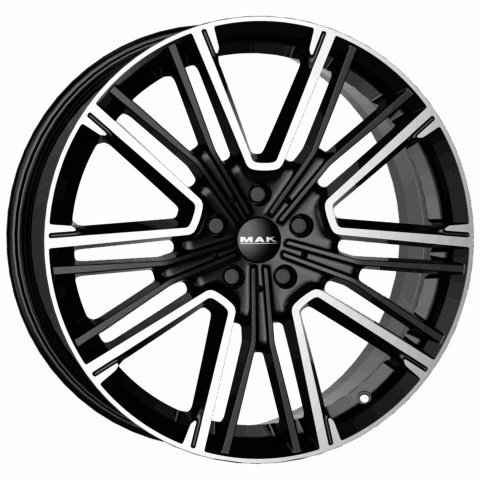 With Swiss certification & fitting kit
Available immediately, Delivery time: 5-14 days
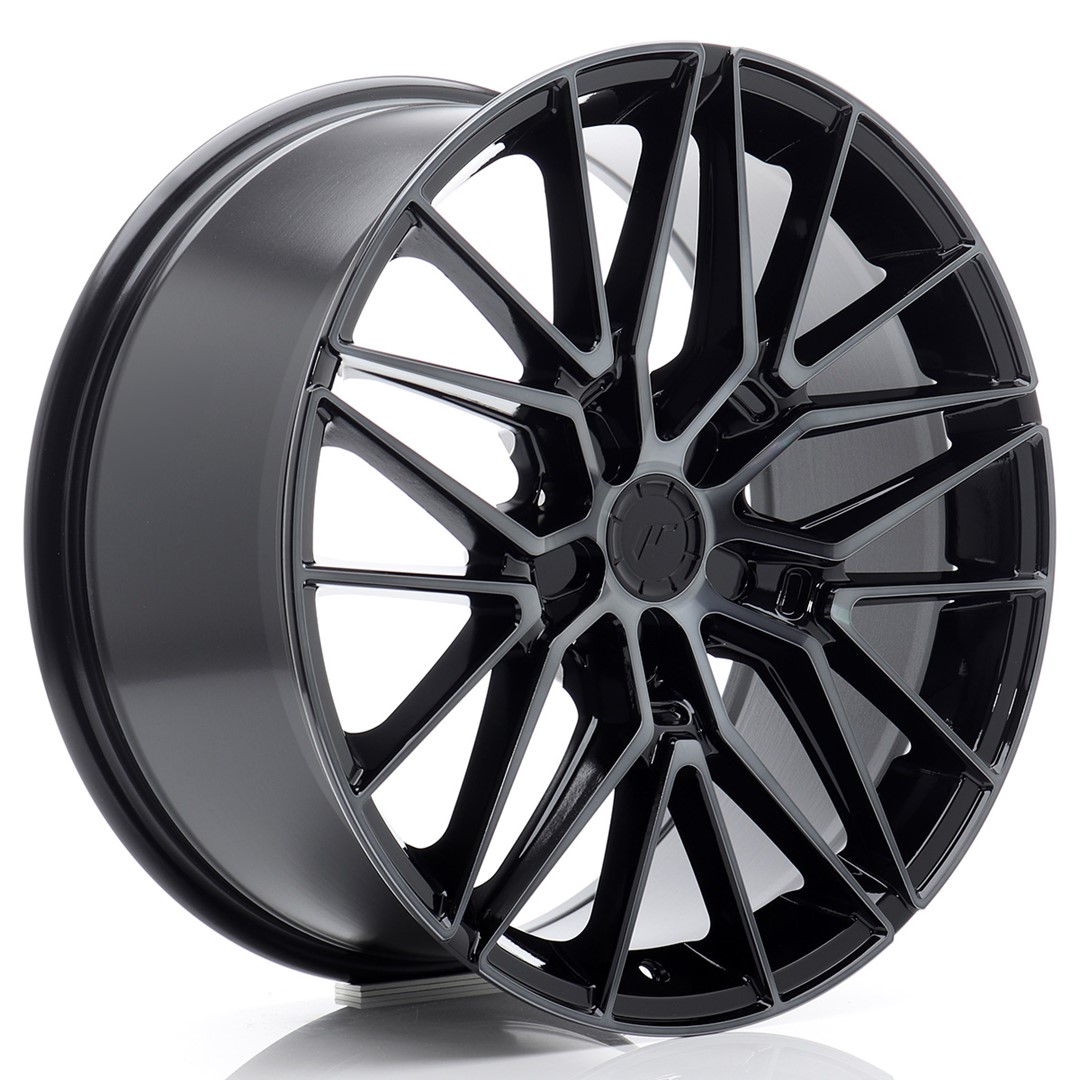 With Swiss certification & fitting kit
Available immediately, Delivery time: 5-14 days
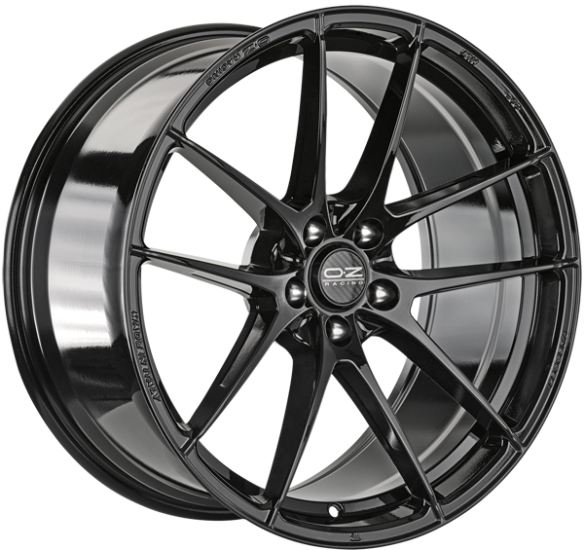
 With Swiss certification & fitting kit
Available immediately, Delivery time: 5-10 days
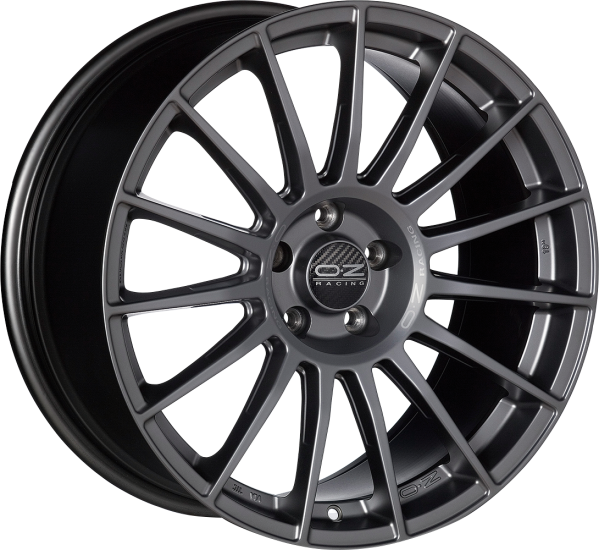 With Swiss certification & fitting kit
Available immediately, Delivery time: 5-10 days
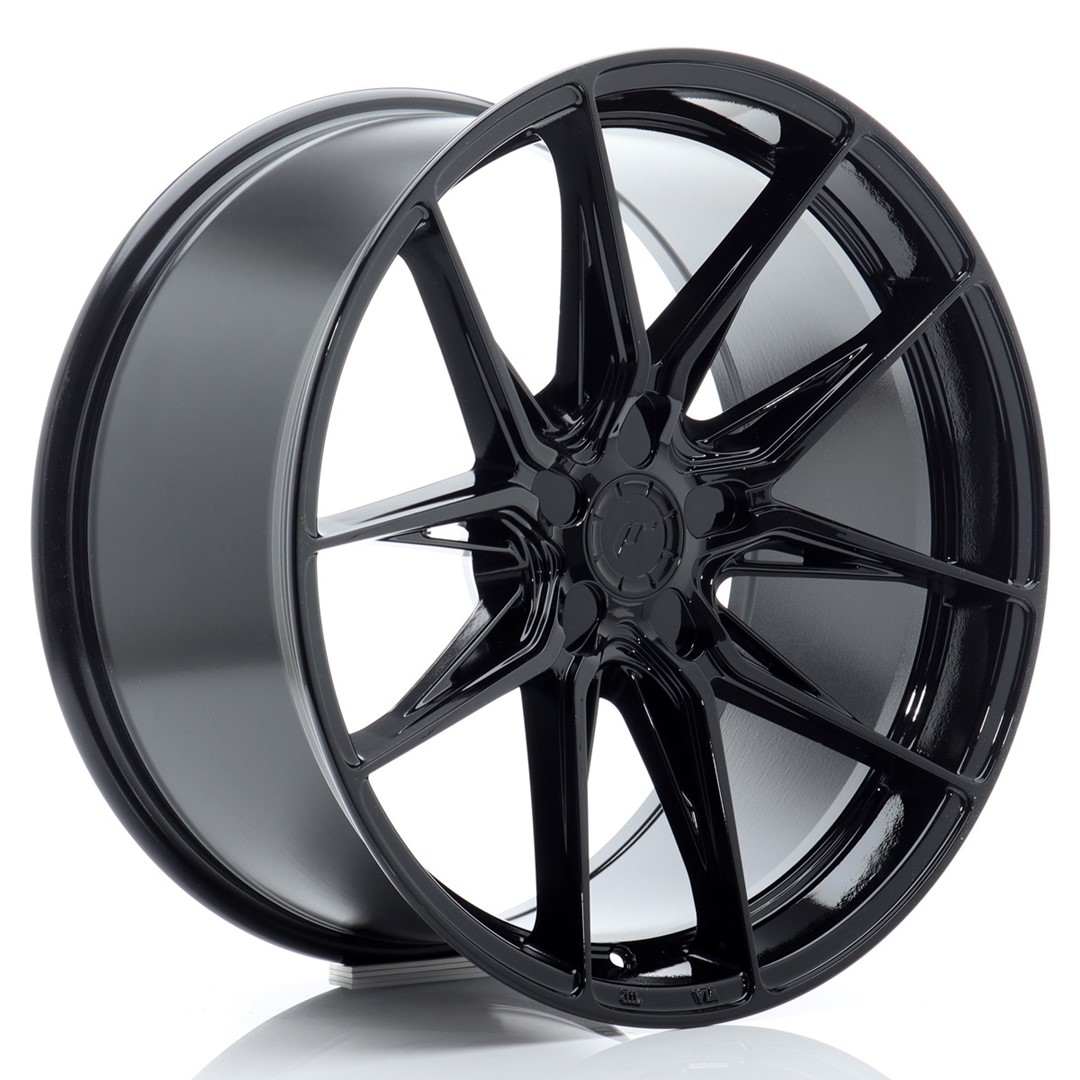 With Swiss certification & fitting kit
Available immediately, Delivery time: 5-14 days
Buying Guide for 19-inch Rims
Are 19-inch Rims Permitted for Your Vehicle?
Before choosing the design or manufacturer, you should first clarify whether 19-inch rims are permitted at all for your specific vehicle model and its corresponding version.
The rim dimensions must comply with vehicle homologation and technical specifications such as width and offset (ET). Even within the same brand – for example, with BMW, Audi, Mercedes-Benz, VW, or AMG models – different model generations, engine variants, or equipment versions may have differing specifications.
On some vehicles, 19-inch wheels are standard, while on others, they are an optional or aftermarket configuration that requires additional verification.
It is important to clearly distinguish between technically possible installation and legal permissibility. The fact that a 19-inch rim can physically be fitted does not automatically mean that this combination is permitted under current regulations.
Therefore, before purchasing, you should always check whether the combination of 19-inch rims and suitable tyres precisely matches the model, year of manufacture, and vehicle version.
Specifics of 19-inch Configurations
19-inch represents a size where technical precision plays an even more crucial role. This size is often used on mid-range and luxury vehicles, and sometimes on sportier equipment versions.
Typical dimensions, for example, range from 225/35 R19, 235/35 R19, 245/35 R19, or 255/30 R19. In combination with rim widths such as 8.5J, 9J, or 9.5J, the wheel's position in the wheel arch changes much more significantly than with smaller diameters.
Especially with 19-inch wheels, even small deviations in width or offset can affect the clearance to the wheel arch, suspension components, or braking system. Therefore, with this size, not only the diameter is considered, but always the complete technical configuration.
CH Certificate (CH Supplement) and Legal Requirements
With 19-inch rims, the documentation is just as crucial as the technical fit.
The CH Certificate (CH Supplement) confirms that a specific rim model has been tested and approved for clearly defined vehicle types. It contains binding information on permitted dimensions, ET values, and any conditions or installation requirements.
European documents such as an ABE do not automatically mean that a specific configuration is also permissible under current requirements. The decisive factor is always whether the specific rim in the corresponding version has been approved for the respective vehicle.
Depending on the vehicle and configuration, a 19-inch rim may be registration-free or require additional registration. A blanket statement is therefore not possible.
The Most Important Technical Parameters for 19-inch Rims
For 19-inch wheels, three values are particularly crucial: bolt pattern, offset (ET), and rim width. These parameters must match the technical specifications of the vehicle for the installation to be technically correct and legally permissible.
Bolt Pattern
The bolt pattern describes the number and arrangement of the mounting holes and is specified in formats such as 5x112, 5x100, or 5x120.
This value must fundamentally correspond to the vehicle specification. A rim with a 5x112 bolt pattern cannot be directly fitted to a vehicle that requires a 5x100.
In certain cases, special eccentric bolts – for example, from manufacturers like Bimecc – can technically compensate for minor deviations. However, whether such a solution is technically feasible and legally permissible in the specific case must be checked individually.
In practice: The bolt pattern should match the vehicle specification as precisely as possible.
Offset (ET)
The ET determines the position of the rim relative to the wheel hub and bodywork.
For example, if an ET35 is fitted instead of the standard ET45, the wheel moves further outwards. A higher ET moves the wheel inwards accordingly and can reduce the clearance to the braking system or suspension components.
With 19-inch wheels, especially in combination with wider rims, even small deviations have a greater impact.
In practice: If only the ET deviates from the approved specification, deviations of ±5 mm may sometimes be possible without additional registration. These are also called registration-free rims. The prerequisite is that all other parameters – diameter, width, bolt pattern, and approved vehicle variant – fully correspond to the approved configuration.
Larger deviations require individual verification.
Rim Width and Tyre Combination
The rim width must be within the range intended for the vehicle.
With 19-inch wheels, widths such as 8J, 8.5J, 9J, or 9.5J are commonly used. However, each tyre size is only approved for a specific width range.
If the rim is too narrow or too wide, it can affect handling and be problematic during technical inspection. Width and ET should therefore always be assessed together.
Use Filters Effectively
For a structured selection, the following procedure is recommended:
- First, check the correct bolt pattern
- Then, select width and ET according to vehicle specifications
- Next, consider manufacturer or design
- Optionally, filter by delivery time, colour, or price
This way, technically incompatible models are excluded in advance.
How the 3D Rim Configurator Reduces Risk
The 3D configurator allows you to select your own vehicle model and visually check the desired 19-inch rim.
It serves as additional guidance regarding appearance and basic compatibility. However, the definitive basis always remains the technical documentation and the approval for the respective vehicle.
Common Mistakes with 19-inch Rims
Typical mistakes occur when:
- decisions are made based solely on design
- ET or width are not considered
- permissibility is automatically assumed from the possibility of installation
- the vehicle version is not precisely considered
With 19-inch wheels, precision is crucial.
Individual Check Before Ordering
If you are unsure about the ET, width, bolt pattern, or approval for your specific vehicle, an individual check is advisable.
By making a direct enquiry – for example, via WhatsApp – the specific configuration can be checked in advance. This allows technical and legal ambiguities to be clarified beforehand.
Conclusion
19-inch rims require careful coordination of all technical parameters and verification of legal requirements.
Technically possible installation does not replace legal permissibility. The crucial factors are the correct dimensions, a suitable ET, the right width, and valid approval for the respective vehicle.
A structured check of the configuration reduces risk and ensures a technically and regulatorily sound decision.